When researching a postgraduate program in aesthetics, many health professionals look at course load, curriculum, and the number of procedures taught. But there is one point that makes an enormous difference in building clinical confidence and professional readiness: understanding the difference between a Hands-on Class and a Clinical Immersion.
Although many institutions use the terms as if they were the same thing, they have completely different goals within Aesthetic Health training.
In short, a hands-on class develops technical mastery of the procedure. A clinical immersion, on the other hand, prepares the student for the full reality of professional care.
And this difference directly affects:
- Clinical safety
- Professional confidence
- Demeanor with the patient
- Organization of the clinical routine
- Professional documentation
- Decision-making
- Readiness to work independently
👉 Want to leave your postgraduate program better prepared for clinical reality? Discover Nepuga's hands-on experience.
In this article, you will understand:
- What a Hands-on Class is
- What a Clinical Immersion is
- What the difference between them is
- Why the clinical immersion makes such a difference in training
- How it influences safety and professional confidence
- And how Nepuga structures students' hands-on experience
What Is a Hands-on Class in an Aesthetics Postgraduate Program?
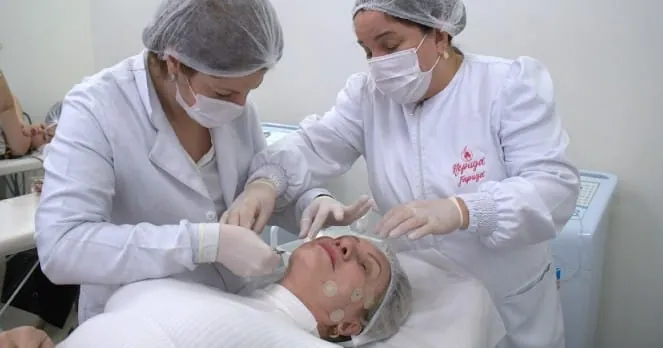
A Hands-on Class is the moment when the student learns the technical execution of the procedure.
In this format, the main focus is on manual development and mastery of the technique being applied.
During the practice, the student:
- Learns the procedure step by step
- Performs supervised applications
- Develops technical coordination
- Refines manual confidence
- Corrects positioning and execution
- Repeats the technique to build confidence
- Learns the operational details of the protocol
The goal is to consolidate the technical learning of the specific procedure. In a hands-on class, the focus is on technical mastery of the procedure, allowing the student to repeat the execution, refine safety, and progressively build clinical confidence.
Is a Hands-on Class Important?
Yes. A Hands-on Class is a fundamental stage in Aesthetic Health training. It is where the professional begins to turn theory into manual skill.
During this process, the student develops:
- Technical coordination
- Confidence in execution
- Familiarity with materials and products
- Application precision
- Manual control
- Operational knowledge of the protocols
But there is an important point: professional practice goes far beyond technique.
And that is exactly where the Clinical Immersion comes in.
What Is a Clinical Immersion?
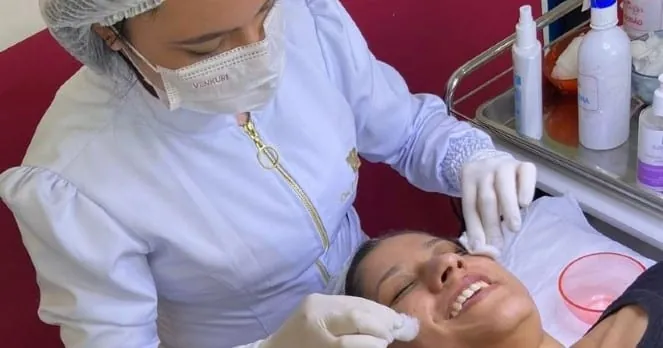
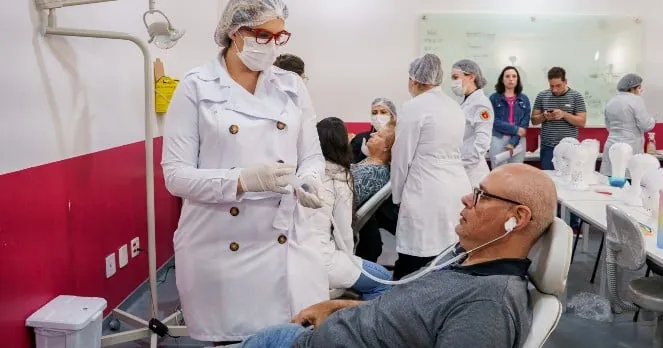
A Clinical Immersion is the experience that simulates the real routine of patient care within the clinic.
Unlike a Hands-on Class, the focus is not only on the procedure. The student learns all the steps involved in complete professional care.
In practice, a Clinical Immersion brings the student closer to the reality they will encounter after graduating.
This includes:
- Patient reception
- Welcoming the patient
- Organizing the environment
- Professional demeanor
- Individualized assessment
- Planning the course of action
- Executing the protocol
- Clinical documentation
- Post-procedure instructions
- Recording the patient's progress
The goal is to develop a complete clinical outlook, not just isolated technical skill.
How Does a Clinical Immersion Work in Practice?
In a Clinical Immersion, the student takes part in the entire journey of professional care.
Before the procedure
Even before the application, the student learns fundamental aspects of the clinical routine:
- Patient reception
- Organizing the environment
- Preparing materials
- Biosafety
- Humanized care
- Professional communication
- Clinical demeanor
This process helps the professional develop more confidence and ease in patient care.
Clinical assessment of the patient
Another advantage of the Clinical Immersion is the development of individualized patient analysis.
During this stage, the student learns:
- Filling out the medical history form
- Clinical investigation
- Active listening
- Identifying contraindications
- Personalized assessment
- Defining a safe course of action
- Building clinical reasoning
In practice, the professional understands that each patient requires a specific assessment and responsible decision-making.
Performing the procedure
After the clinical assessment, the protocol is carried out.
At this point, the student:
- Performs the supervised procedure
- Applies the technique learned
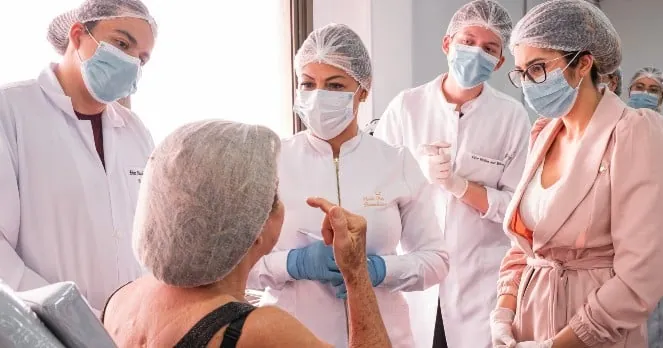
- Receives guidance from the instructor
- Learns clinical decision-making
- Develops more autonomy
- Exercises reasoning during the appointment
The experience goes beyond technical repetition. It brings the student closer to the clinical reality of the market.
Post-procedure and clinical documentation
This is one of the most overlooked points in many programs and, at the same time, one of the most important for safe practice.
In the Clinical Immersion, the student also learns the documentation side of patient care.
This includes:
- Progress record
- Contracts
- Consent forms
- Recording of complications
- Follow-up planning
- Post-procedure instructions
- Photographic records
- Clinical organization of the case
This process strengthens ethical responsibility, documentation safety, and professionalism in patient care.
Why Does the Clinical Immersion Make Such a Difference in Specialization?
Many professionals leave courses knowing how to perform techniques, but still insecure when facing the real routine of patient care.
This happens because treating a patient involves much more than performing a procedure.
The professional needs to develop:
- Clinical safety
- Professional communication
- Documentation skills
- Assessment ability
- Ethical posture
- Clinical reasoning
- Appointment management
- Confidence to lead a complete consultation
The Clinical Immersion was created precisely to bring the student closer to this reality.
In practice, it reduces the insecurity of the early career and helps the professional build more clarity in their practice.
Does the Student Leave Better Prepared for the Market?
That is precisely the main difference between a hands-on class and a clinical immersion. While the Hands-on Class develops technical skill, the Clinical Immersion expands the specialization to the full reality of professional practice and prepares the student for the market.
The student does not learn only how to perform the procedure.
They learn how to:
- Receive the patient
- Assess a clinical case
- Organize documentation
- Structure the appointment
- Follow progress
- Act with professional responsibility
- Lead a complete clinical experience
This strengthens autonomy and confidence to start practicing more safely after the specialization.
👉 Find out how Nepuga's Clinical Immersions help students develop professional demeanor and readiness for their first appointments.
The Clinical Immersion Also Helps Build a Professional Portfolio
There is another extremely important difference between a hands-on class and a clinical immersion. Within the Clinical Immersion, the student can develop their professional portfolio.
When students bring their own model patient, they can:
- Follow the real progress of cases
- Record before and after
- Document appointments
- Build professional material
- Create initial authority
- Strengthen professional presence
- Use the records to attract their first patients
Beyond technical and clinical learning, the student leaves the postgraduate program with real records of cases they followed themselves, strengthening their professional portfolio and supporting the start of their journey in Aesthetic Health.
How Does Nepuga Structure the Hands-on Class and the Clinical Immersion?
At Nepuga, hands-on training was structured to bring together:
- Technical excellence
- Clinical safety
- Professional reasoning
- Real patient care experience
- Specialized supervision
Hands-on Classes help students develop technical mastery of procedures.
Clinical Immersions, in turn, expand the experience to the full reality of professional practice in Aesthetic Health.
This progressive structure allows the professional to develop:
- Confidence
- Autonomy
- Clinical readiness
- Documentation safety
- Clarity in patient care
All of this with the support of experienced instructors and a methodology built from the reality of the Brazilian aesthetic market.
The Hands-on Class and the Clinical Immersion Are Different
Although both are fundamental in Aesthetic Health training, the Hands-on Class and the Clinical Immersion serve different functions in professional development.
While the Hands-on Class develops technical excellence in the procedure, the Clinical Immersion expands the training to the full reality of professional practice, preparing doctors to provide care with more safety, proper documentation, ethical responsibility, and a strategic vision for growth in Aesthetic Health.
Want to live the complete hands-on experience in Aesthetic Health?
Explore Nepuga's postgraduate programs and courses and find out how the institution's hands-on methodology helps health professionals develop more clinical safety, autonomy, and real readiness for the Aesthetic Health market.
👉 Want to develop more professional autonomy? Discover Nepuga's hands-on methodology.
Laís Bianquini
NEPUGA content team — Núcleo de Especializações Ana Carolina Puga.