The search for integrative therapies and minimally invasive approaches has grown significantly in recent years. In this scenario, the Ozone Therapy course has gained ground by enabling multidisciplinary care, combining clinical reasoning, therapeutic versatility, and the possibility of complementary practice in different areas of health.
With applications increasingly present in clinical practice, many professionals have begun looking for safe training, supervised practice, and technical knowledge to start or advance in the field.
But then: who can take an ozone therapy course? How does the training work? Is ozone therapy regulated? Is it worth investing in this field?
In this complete guide, you will understand:
- What Clinical Ozone Therapy is
- Who can practice in the field
- How the ozone therapy course works
- What the clinical applications are
- What the market looks like in 2026
- The difference between the training modules
- How Nepuga's methodology works
- Frequently asked questions about the training
Want to see the training already?
Explore Nepuga's Clinical Ozone Therapy Course and choose the ideal module for your professional growth:
What Is Clinical Ozone Therapy?
Clinical Ozone Therapy is a therapeutic approach that uses a mixture of oxygen and ozone gases to complement clinical protocols in different areas of health.
In practice, the technique can be used as a complementary resource in treatments related to inflammation, musculoskeletal pain, injuries, infectious processes, tissue regeneration, and other clinical conditions, always respecting professional qualifications and the regulations of each professional council.
Besides technical application, ozone therapy requires clinical evaluation, physiological understanding, therapeutic reasoning, and command of specific protocols.
That is why proper training has become an essential step for professionals who want to practice with safety and clinical responsibility.
Want to start in Clinical Ozone Therapy safely?
Nepuga's Beginner Clinical Ozone Therapy Course was designed for professionals who want to learn the fundamentals, basic applications, and first protocols with supervised practice and a structured methodology.
👉 Explore the Beginner Clinical Ozone Therapy Course and take your first steps in the field with more confidence.
Who Can Take an Ozone Therapy Course?
Training in Clinical Ozone Therapy is sought mainly by health professionals who want to expand their therapeutic options and add new resources to their care.
Among the areas that most seek specialization are:
- Nursing
- Physiotherapy
- Pharmacy
- Biomedicine
- Dentistry
- Medicine
- Biology
- Aesthetics
- Other health fields according to professional regulations
In addition to already-qualified professionals, many health students also look for introductory courses to get early contact with clinical practice before graduating.
The most important thing is to understand that practice depends on the specific requirements of each category's Professional Council.
Is Ozone Therapy Regulated?
The regulation of Ozone Therapy in Brazil varies according to the professional council of each health profession.
That is why the training must respect:
- the required course load (hours)
- the limits of professional practice
- technical criteria
- specific qualification rules
This is one of the reasons why the choice of course makes a difference in building a professional's clinical confidence.
At Nepuga, the modular structure of the training was designed precisely to meet different levels of professional growth and course-load requirements for each category.
What Are the Applications of Clinical Ozone Therapy?
Clinical Ozone Therapy has gained ground precisely because of the versatility of complementary applications within clinical routine.
Among the main applications covered in the training are:
Musculoskeletal pain
Professionals use ozone therapy as a complementary resource in protocols aimed at:
- low back pain
- neck pain
- tendinitis
- bursitis
- joint pain
- herniated discs
- muscular inflammatory processes
Wounds and healing
The technique also appears in approaches related to:
- chronic wounds
- skin lesions
- ulcers
- scarring processes
- tissue regeneration
Dentistry
In dentistry, ozone therapy can complement protocols aimed at:
- gum inflammation
- post-operative care
- oral lesions
- infectious processes
Integrative health
The training also covers applications related to:
- gut health
- systemic inflammatory processes
- complementary support in clinical treatments
- quality of life and well-being
Aesthetics and functional health
Aesthetic and integrative health professionals have begun incorporating ozone therapy into complementary protocols aimed at the patient's overall care.
This movement follows the growth of integrative medicine and the search for more individualized approaches.
Already have a foundation in Ozone Therapy and want to advance in clinical protocols?
Nepuga's Intermediate Clinical Ozone Therapy Course deepens clinical interpretation, the structuring of therapeutic protocols, and more advanced applications to expand your professional autonomy.
👉 Explore the Intermediate Clinical Ozone Therapy Course and grow your clinical practice with more confidence.
Why Are Health Professionals Seeking Ozone Therapy?
Demand for training in Clinical Ozone Therapy has grown because many professionals began seeking:
- differentiation in the market
- a broader clinical portfolio
- new therapeutic possibilities
- integrative care
- greater perceived value among patients
In addition, ozone therapy allows integration with different clinical areas, making care more complete and personalized.
Another important point is professional growth.
Many professionals start by learning basic fundamentals and, as they gain experience, move on to building more complete and individualized therapeutic protocols.
The Ozone Therapy Market in 2026
The growth of integrative and complementary therapies has driven the expansion of Clinical Ozone Therapy in Brazil.
Patients began seeking:
- less invasive approaches
- complementary treatments
- integrative protocols
- individualized care
- improved quality of life
This scenario increases demand for technically prepared professionals with structured training.
In practice, the market has come to value professionals who can combine:
- clinical confidence
- therapeutic reasoning
- supervised practice
- technical mastery
- an integrative view of the patient
How Nepuga's Clinical Ozone Therapy Course Works
Nepuga's Clinical Ozone Therapy Course was designed for health professionals who want to start or advance in the field with a structured methodology, supervised practice, and applied clinical vision.
The training is divided into three independent, complementary modules:
- Module I — Beginner Training
- Module II — Intermediate Development
- Module III — Advanced Training
Each module has a specific course load (hours) and was structured to follow the professional's technical and clinical growth.
Module I — Beginner Training in Clinical Ozone Therapy
The first module was designed for professionals who want to begin their contact with Clinical Ozone Therapy.
During the training, students learn:
- the fundamentals of ozone therapy
- the main routes of application
- initial clinical indications
- biosafety
- basic clinical reasoning
- first therapeutic protocols
The goal of the beginner module is to build a solid foundation for practicing with more confidence and clinical clarity.
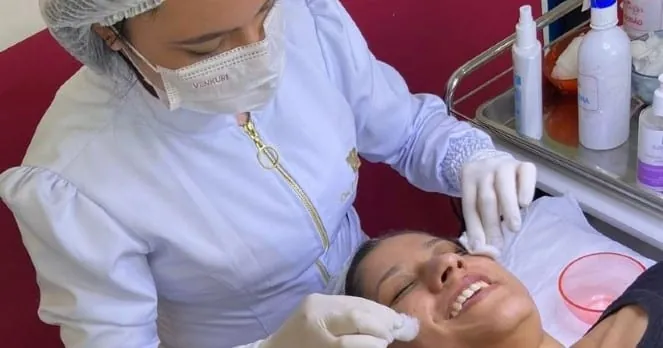
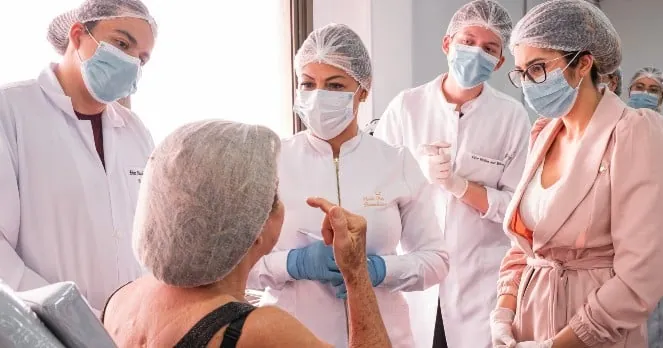
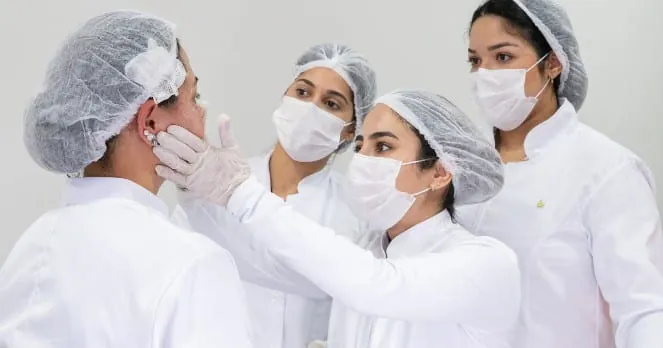
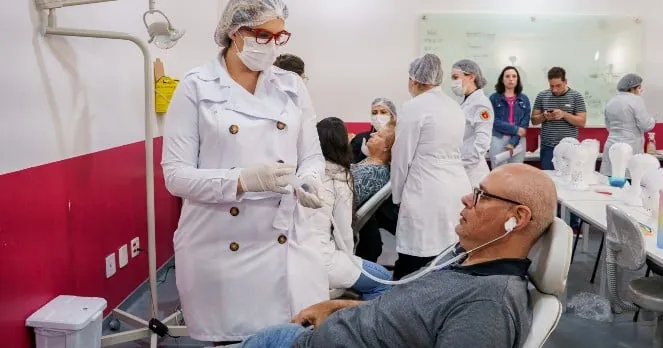
Besides the technical part, students take part in supervised hands-on experiences.
👉 Visit the page for the Beginner Clinical Ozone Therapy Course.
Module II — Intermediate Development
The second module deepens clinical knowledge and expands therapeutic possibilities.
At this stage, the professional develops:
- clinical interpretation
- protocol building
- case analysis
- complementary applications
- therapeutic integration
- growth in clinical reasoning
The focus shifts to greater autonomy in patient care and the structuring of more complete treatments.
👉 Explore the Intermediate Clinical Ozone Therapy Course.
Module III — Advanced Training
The advanced module was created for professionals who want to deepen their technical mastery and increase clinical confidence in more complex cases.
Among the main points covered are:
- advanced protocols
- specific indications
- clinical decision-making
- advanced therapeutic reasoning
- greater professional autonomy
This stage represents an important step forward for professionals who want to consolidate their clinical practice in ozone therapy.
👉 Explore the Advanced Clinical Ozone Therapy Course.
ANAPUGA Methodology: Nepuga's Differentiator
One of the training's major differentiators is the ANAPUGA Methodology.
The approach integrates:
- technique
- clinical reasoning
- supervised practice
- professional vision
The goal is to develop professionals who know not only how to perform techniques, but also how to structure protocols with safety and clinical responsibility.
The methodology was built with a focus on:
- progressive growth
- real practice
- building clinical confidence
- responsible application of ozone therapy
Supervised hands-on experience
Supervised practice is an essential part of the training.
During the modules, students take part in hands-on experiences with faculty guidance, allowing for more consistent technical development.
This process helps professionals develop:
- practical confidence
- clarity in decision-making
- mastery of the applications
- clinical reasoning
- confidence in patient care
👉 See which module of the Clinical Ozone Therapy training makes the most sense for where you are professionally:
How Much Do Ozone Therapy Professionals Earn?
Revenue can vary depending on:
- region
- professional experience
- field of practice
- clinical positioning
- care setup
In the market, sessions can range between R$200 and R$500, depending on the protocol and the complexity of the care.
In practice, many professionals use ozone therapy as a complementary resource within existing care, expanding therapeutic possibilities and the value perceived by patients.
Ozone Therapy Course for Beginners: Is It Worth It?
Yes, especially for health professionals who want to start with structure, confidence, and hands-on guidance.
One of the biggest mistakes of newcomers to the field is seeking only isolated technique without understanding:
- indications
- protocols
- biosafety
- clinical reasoning
- limits of practice
That is why progressive training makes a difference in professional development.
Frequently Asked Questions About the Ozone Therapy Course
Who can take an ozone therapy course?
Health professionals and health students, according to the rules of each category's Professional Council.
Does the course include hands-on practice?
Yes. The training includes supervised hands-on experiences.
What is the difference between the modules?
Module I is introductory, Module II deepens protocols and clinical applications, while Module III works on autonomy and advanced mastery of clinical practice.
Can I take it while still in school?
In many cases, yes. It is best to check the specific criteria of the training and the regulations of your professional field.
Does ozone therapy replace medical treatments?
No. Ozone therapy is used as a complementary resource within clinical practice.
How long is the course?
Each module has a specific course load (hours), with an intensive structure and supervised practice.
Take the Next Step in Your Professional Growth
Clinical Ozone Therapy has established itself as an expanding field within integrative and complementary health.
With growing demand for qualified professionals, investing in structured training has become an important differentiator for safer, more strategic, and more valued practice.
If you want to start or advance in the field with supervised practice, a progressive methodology, and applied clinical vision, Nepuga's Clinical Ozone Therapy Course may be the next step in your professional path.
Explore the training modules and choose the ideal level for your growth in Clinical Ozone Therapy.
Choose the Ozone Therapy course module that is right for where you are professionally:
Laís Bianquini
NEPUGA content team — Núcleo de Especializações Ana Carolina Puga.