


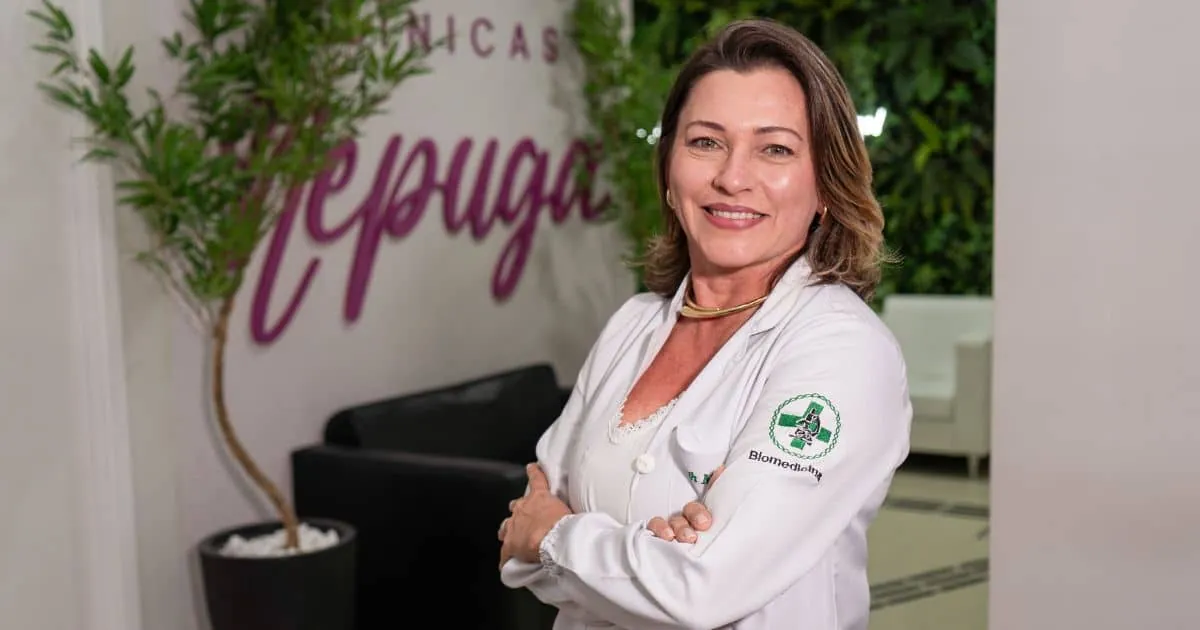
Ruth Macedo's journey is an inspiring example of a professional transition within the health field. A biomedical professional by training, she began her journey in clinical analysis and in hospitals, facing the challenges typical of an intense work environment, with long hours and a heavy emotional load. Today she sees in aesthetics an opportunity to combine her desire to care for people with a lighter, more rewarding way of working.
Ruth has always had a passion for caring for others, one of the main reasons that led her to the health field. However, the demands of her early routine in hospital laboratories were exhausting.
“I was a night-shift worker, so I worked 12-hour shifts followed by 36 hours off. So you can imagine, I barely slept, my bed missed me”says Ruth with good humor, but making clear the impact this had on her quality of life. Although she liked what she did, she felt far from one of the things she valued most: direct contact with people.
Throughout her career, Ruth looked for new horizons. Discovering trichology was an important milestone, since it let her experience the satisfaction of improving her patients' self-esteem. “Hair loss is a very serious problem, especially for women. Taking care of that and seeing the patients' feedback was very rewarding.”
However, a restriction from the Federal Council of Biomedicine at the time kept her from working fully in the field without broader training in aesthetics. That situation sparked in Ruth the desire to go even deeper into the field and invest in a postgraduate program in Aesthetic Biomedicine.
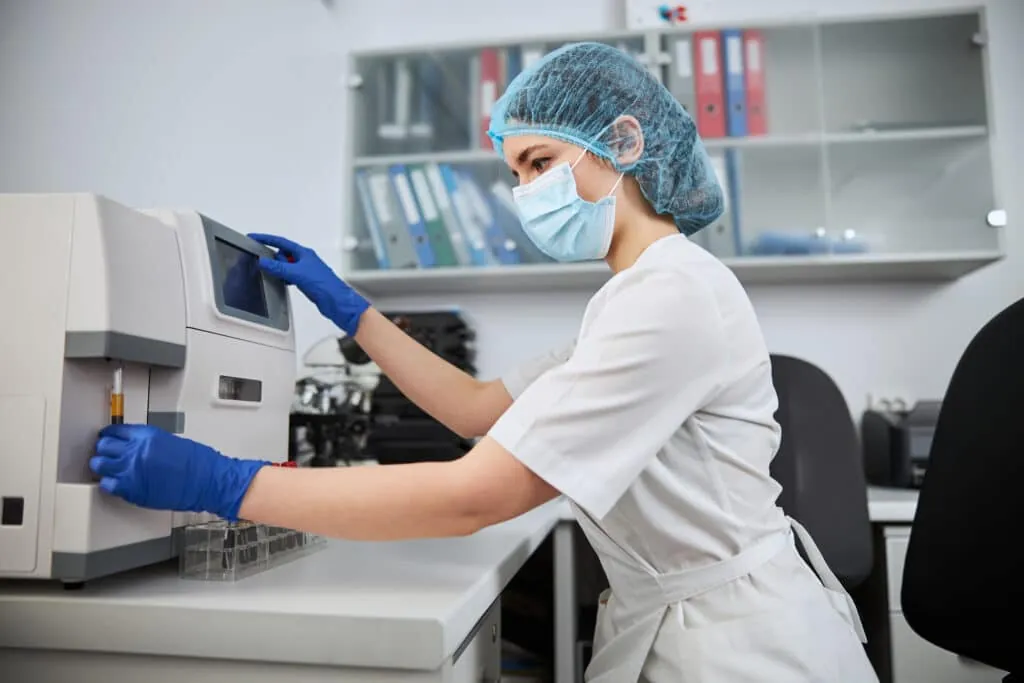
Reflecting on her decision, Ruth highlights the fundamental difference between her previous experience and the world of aesthetics. “In the clinical laboratory, I worked with samples, which kept me far from the patient. In aesthetics, I have the chance to get to know the person, understand their story, and offer personalized care.”
A Universe Very Different From the Clinical Laboratory
For her, aesthetics is much more than performing procedures: it is putting together a complex puzzle to identify the patient's real needs, going far beyond meeting requests for procedures.
One of the things Ruth values most in her current training is the chance to combine theoretical knowledge with clinical practice.
On top of the experience she has gained in the postgraduate program, Dr. Ruth has been working alongside another health professional at a friend's aesthetics clinic. There, she has more contact with patients, both before and after procedures, and she already sees how much this attention is valued and that it is part of a treatment with a differentiator.
During her postgraduate program, she not only learns to perform procedures but also follows patients' progress, observing how each intervention affects their well-being and self-esteem.
“A few years from now? I want to have several clinics!”
This experience prepares her to work independently in the future, something Ruth looks forward to with enthusiasm. “I know that the more I work for myself, the more profit I'll make. I want to set up my own space and, who knows, a few years from now, have several clinics”, she plans.
Despite her enthusiasm, Ruth also recognizes the challenges of the transition to aesthetics. She admits she still feels insecure about some procedures, especially facial ones, which demand extreme precision. But that doesn't discourage her. “I'm very demanding of myself. I want to be a specialist in what I do and deliver the best to my patients”, she says with determination.
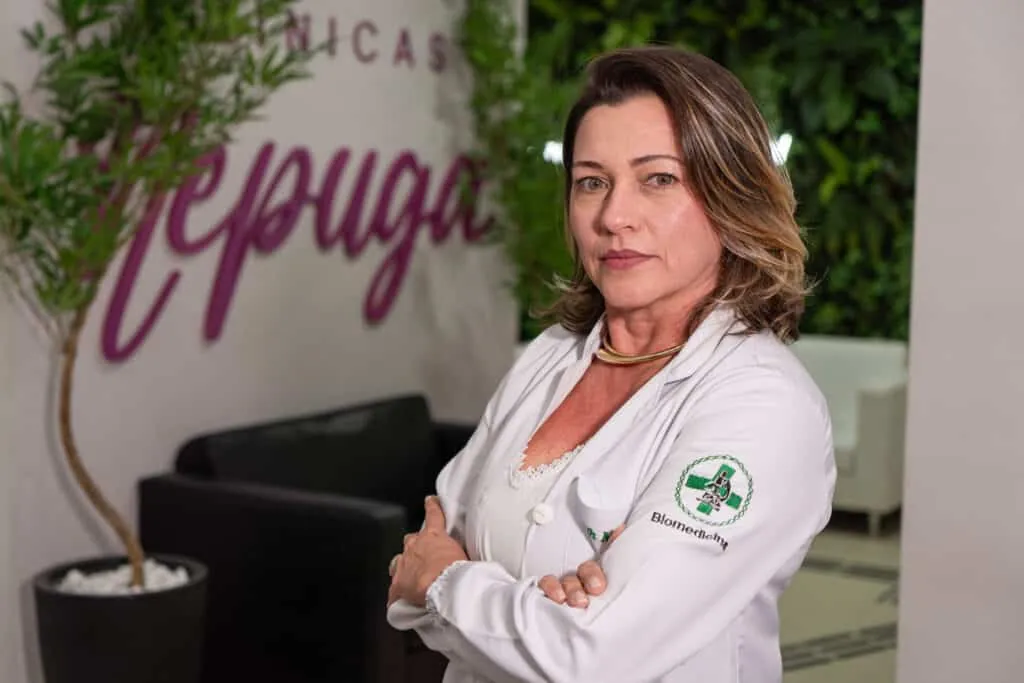
Ruth's desire for more quality of life and human connection reflects a growing trend among health professionals. Many, like her, are looking for alternatives that combine professional fulfillment, financial sustainability and a positive impact on people's lives.
In aesthetics, Ruth found a way to transform her life and recover the pleasure of caring for others, now in a context that values both the physical and emotional health of patients.Today, Ruth feels fulfilled with the choice she made. She believes aesthetics offers her not just a profession, but a calling aligned with her values.
“It's not just a procedure. You need to understand the smile, the behavior, the person's story. That's what I want to offer: personalized, humanized care that truly transforms lives.”
Laís Bianquini
NEPUGA content team — Núcleo de Especializações Ana Carolina Puga.


