“We thank God and our families. For the encouragement that pushed us to seek a new life every day. For agreeing to go without our company because of our studies, giving us the chance to achieve yet another dream. Thank you so much!”.
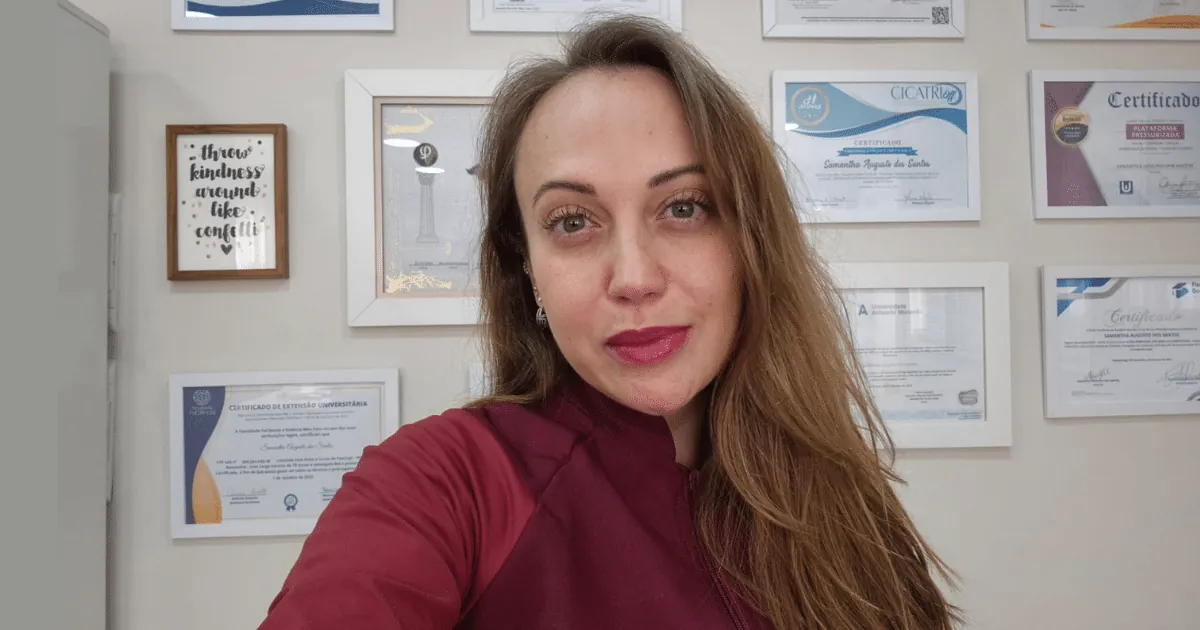
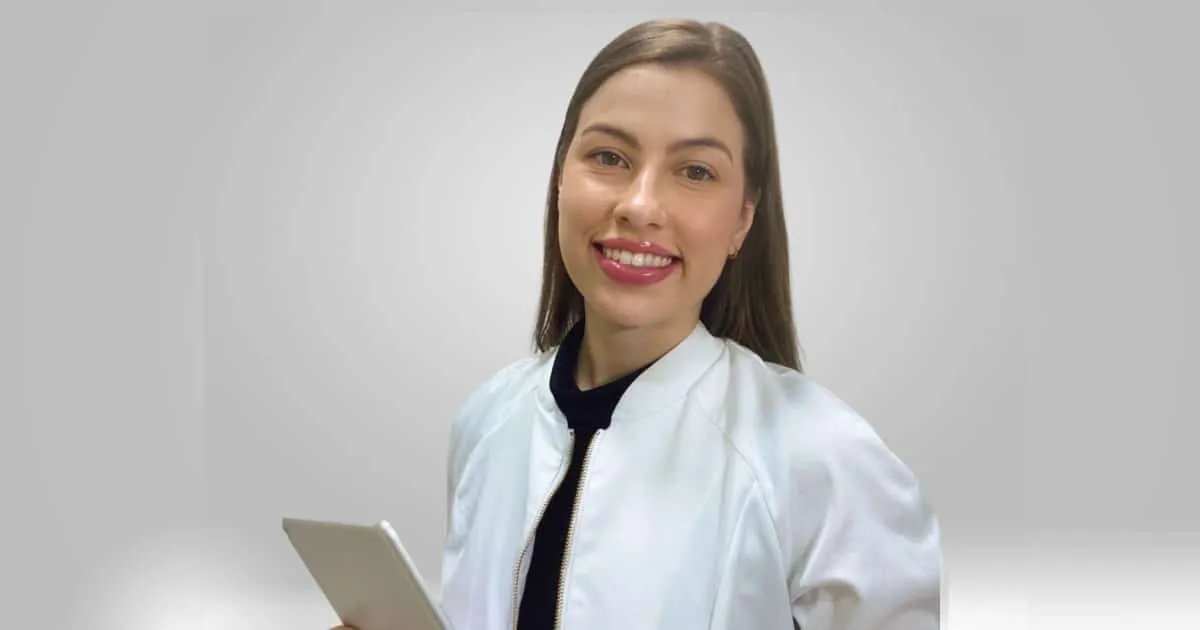
The thanks of alumnae Larissa Pucci Vieira (Aesthetic Biomedicine), Letícia Silva Testa (Aesthetic Nursing), Olga Cristina Bosco and Rafaela Natiéli de Lima (Aesthetic Pharmacy), open the presentation of the Final Course Paper (TCC) of the postgraduate program in aesthetics.
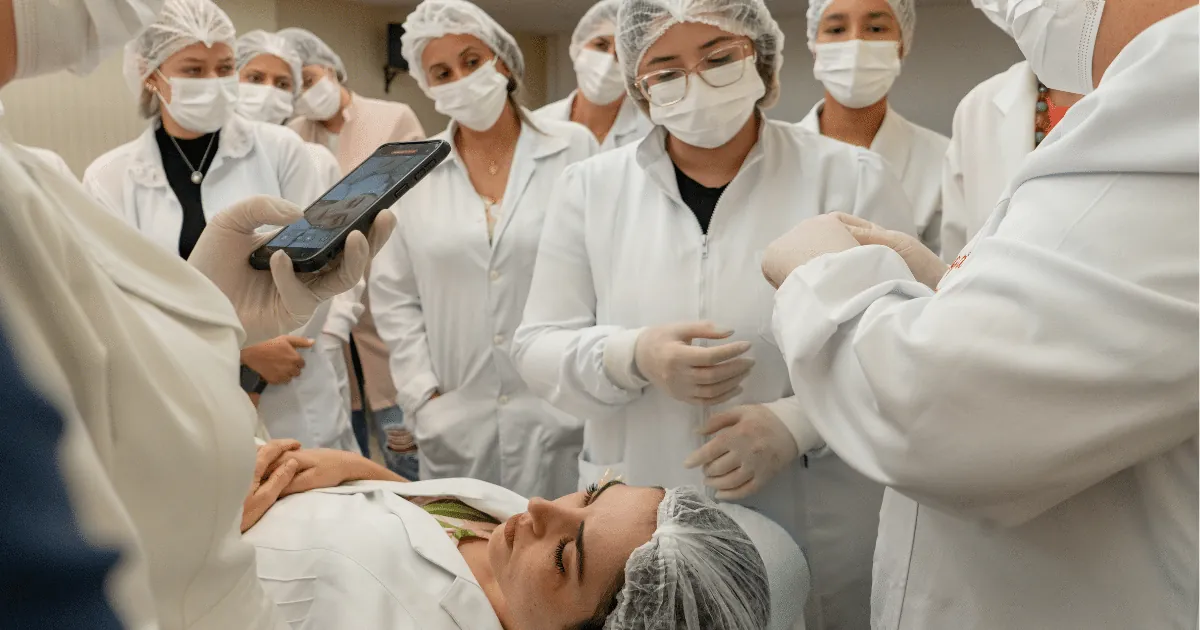
The multidisciplinary group presented to the Nepuga/FAPUGA Examining Committee a monograph on “Techniques for Repairing the Effects of Botulinum Toxin”. Completing the postgraduate program in 2019 at the São Paulo-SP campus, the specialists discuss the importance of the topic.
“Among the most sought-after procedures is botulinum toxin (BT) injection, which in Brazil ranks 1st among the most performed procedures according to ASAPS's 2016 international survey of cosmetic/aesthetic procedures. Therefore, correcting unaesthetic effects resulting from BT injection has become a real need due to high demand.”
Repairing the effects of botulinum toxin
The group stresses that although the use of botulinum toxin is low-risk, there are risks involved in the procedures, “Contraindications and temporary complications may exist, such as minor bleeding and swelling at the application site, loss of expression, asymmetry, eyelid ptosis and transient headache”.
In addition, more severe complications are cited:
“In general, these are related to incorrect indication of the procedure, poor instructions or instructions not followed by the patient, and/or poor application technique; among these we can mention: carrying of the agent to untreated areas with a risk of scarring, dilution of the agent by tears, conjunctivitis and corneal ulcer, excoriations leading to infection and hyperpigmentation, acneiform eruption, hypopigmentation, demarcation lines, irritant or allergic contact dermatitis, persistent erythema or itching, atrophic or hypertrophic scars and toxic effects”
In this scenario, the goal of the work was to study, through a literature review, the performance of some techniques commonly used in aesthetics to repair the effects of botulinum toxin, in order to reduce the inconvenience caused to the patient. They are: Radiofrequency, Electrostimulation and DMAE Infiltration.
“Given the high demand for botulinum toxin injection in Brazil, the justification for this study is the need for studies that standardize ways of repairing its effects. Although it is an aesthetic procedure considered safe, there are many variables that can lead to an unsatisfactory or even unaesthetic result”.
After discussing the possible complications and the repair techniques, the postgraduate students of the aesthetic specialization say they conclude that, despite the little literature available on minimally invasive aesthetic procedures, aesthetics has gained more and more recognition and space in the Brazilian market.
“It is hoped that this study will serve as a pilot for future work on standardizing techniques for repairing the effects of the toxin.”
Check out the complete Final Paper!
Academic HighlightsSarah
NEPUGA content team — Núcleo de Especializações Ana Carolina Puga.