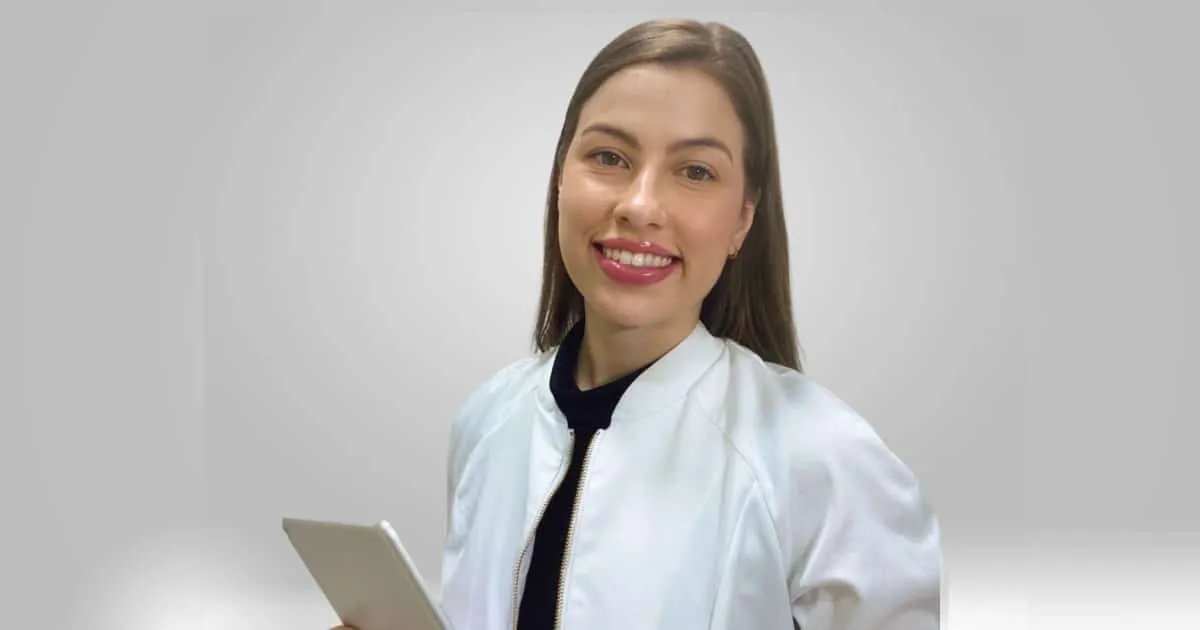
For her final project in the Postgraduate Program in Aesthetic Pharmacy, Dr. Istéfani Lemes Polizelle researched the pathophysiology of melasma, pointing out the best techniques for the prevention, diagnosis, and treatment of this condition that affects the self-esteem of many women.
The final paper by Istéfani Lemes Polizelle, who holds a degree in Biochemical Pharmacy from FEF – Fundação Educacional de Fernandópolis and a Postgraduate Program graduate in Aesthetic Pharmacy from Nepuga/FAPUGA São José dos Campos unit, addresses an extremely relevant topic: Pathophysiology of melasma: treatments, prevention, diagnosis, and external factors.
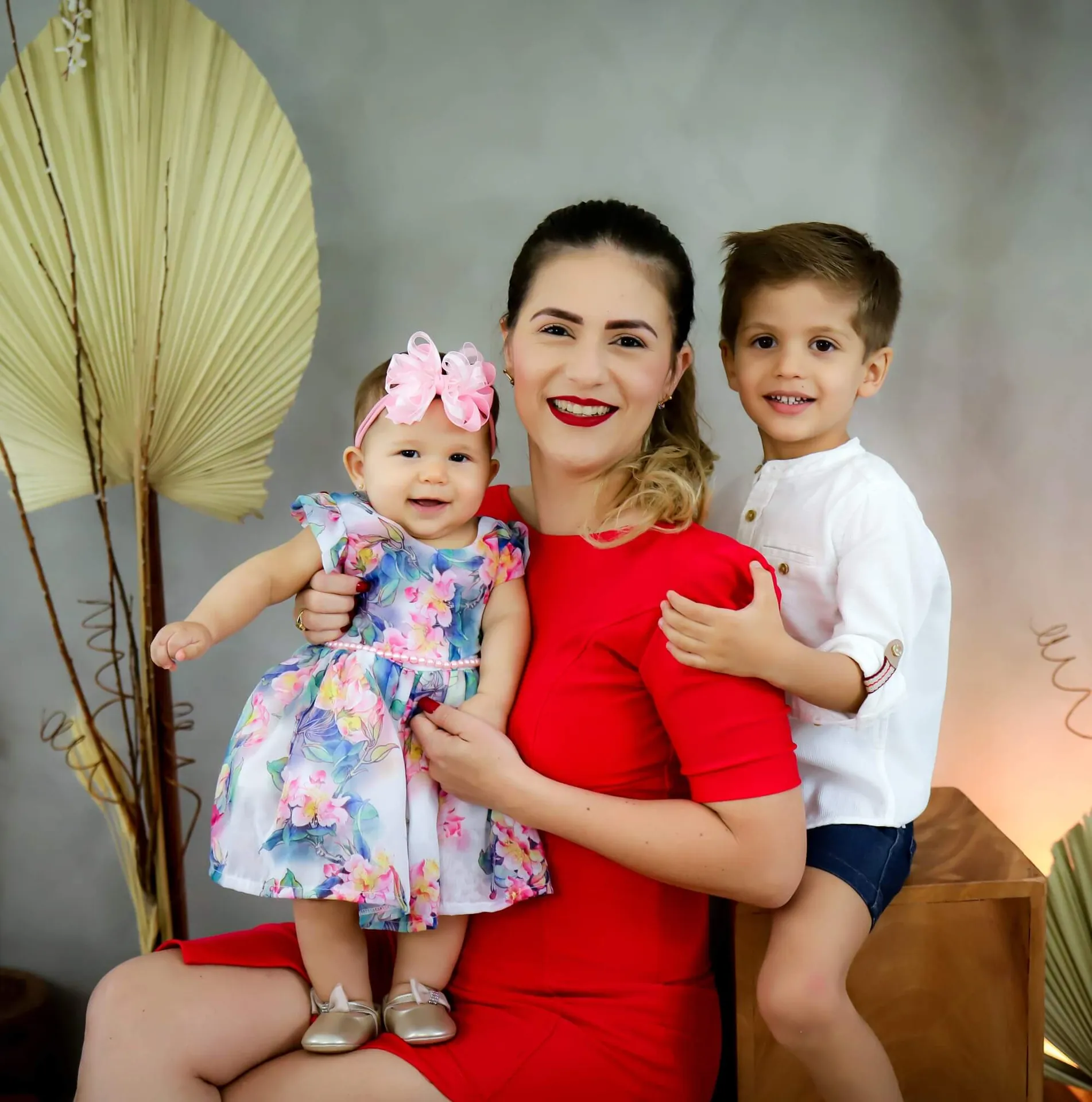
“I dedicate this work to my son Vitor, who is my light and my inspiration; to my husband Eider, who always encourages me to seek new paths; to my parents, brother, sister-in-law, and nieces, who are my strength. I thank everyone who was part of my education.”
The condition, which usually affects women, receives a technical look from Dr.
“Melasma, as a pigmentation disorder, affects a significant number of people; these dysfunctions interfere with patients' self-esteem, causing everything from stress, anxiety, and psychological disorders to even a sense of estrangement from their self-image and depression”.
The choice of specializing in aesthetic pharmacy
The student, who graduated in 2019, says her main motivation for researching the topic is that, within the field of aesthetic and pharmaceutical health, there are still few studies that seek, to a greater or lesser degree, to examine and propose ideas about the relationships among the factors involved in melasma.
“This work is based on the search for new ways to fight melasma, such as, for example, the solution for definitive pigmentation treatments and the persistent awareness of sun and ultraviolet protection.”
Istéfani is keen to emphasize that the effects of these pathologies (as some scholars already consider them) are not merely superficial:
“The skin covers our entire body and protects us from external actions; this covering shapes our body and reveals our features. In this way, when the skin is injured, besides allowing in agents that harm our system, it also hurts our self-esteem, because the idea of a lesion or spot on the skin is directly associated with dirt, the unsightly, and the contagious, which, as a consequence of these prejudices, makes patients feel set apart, generating emotional discomfort and even psychological disorders.”
The Final Course Paper, which used a literature review research method, opens the way for further research in this area, and the student concludes with a reflection for healthcare professionals:
“From the studies presented in this work, the importance of research in this area is clear, exploring the repercussions of dermatological problems and the emotional effects on patients affected by dermatoses; it therefore falls to professionals in the field to reinforce the need for a multifactorial look at patients' dermatological and psychological illness” .
Read Dr. Istéfani Lemes Polizelle's Final Course Paper in full!
: Polizelle, I. L. Pathophysiology of melasma: treatments, prevention, diagnosis, and external factors. Nepuga/FAPUGA. São José do Rio Preto, SP. 2019.
Also read the case of Dr. Simone Maria da Silva, on “BENEFITS OF MICRONEEDLING COMBINED WITH PLATELET-RICH PLASMA FOR SKIN REJUVENATION”.
Thaise Sales Claro Garcia also focused her final paper on the topic of aesthetic pharmacy. See what she presented to the faculty to complete her postgraduate program.
Academic HighlightsSarah
NEPUGA content team — Núcleo de Especializações Ana Carolina Puga.