If you are considering working with Clinical Ozone Therapy, you have probably already asked yourself:
“What is clinical ozone therapy?”,
“Is this practice regulated?”,
“How do I get started safely?”,
“Is it worth investing in this field?”
Clinical Ozone Therapy has been gaining ground as a complementary approach, with applications in different contexts, always requiring technical knowledge and professional responsibility.
Already decided you want to start? Go straight to the point:
Do you already have a health-related degree? Explore the Postgraduate Program in Clinical Ozone Therapy
Still an undergraduate? See the Advanced Training Course in Clinical Ozone Therapy and start before you graduate.
In this guide, you will understand how the field works, what is taught in the program, and how to begin practicing with more confidence.
In this article you will find:
What Clinical Ozone Therapy is
Who this postgraduate program is for
How it is applied in practice
What you learn in the program
What the market looks like in 2026
How Nepuga's Postgraduate Program in Clinical Ozone Therapy works
Frequently asked questions
Want to practice ozone therapy safely? Explore Nepuga's Postgraduate Program in Clinical Ozone Therapy →
What is Clinical Ozone Therapy?
Clinical Ozone Therapy is an approach that uses medical ozone as a complementary therapeutic resource.
Its application requires technical knowledge of:
- Concentration
• Dosage
• Routes of administration
• Clinical indications
The focus of practice is on safe and appropriate application, always respecting technical and regulatory limits.
The practice requires specific expertise, since it involves variables that directly affect the body's response.
Who is this postgraduate program for?
The program is aimed at health graduates who want to work with Ozone Therapy in a structured way.
Mainly:
- Health professionals
- Integrative therapists
- Professionals looking to expand their clinical practice
It is also suited for those who:
- Seek confidence in practice
- Want to understand correct application
- Wish to structure their patient care
How Clinical Ozone Therapy works in practice
The work combines assessment and technical application. The professional starts working with:
- Specific clinical indications
- Dosage definition
- Choice of route of administration
- Patient follow-up
Each application requires careful analysis and technical knowledge.
What do you learn in the Postgraduate Program in Clinical Ozone Therapy?
The specialization is structured to develop the professional progressively, with a focus on safe practice.
Technical foundation
- Fundamentals of ozone therapy
- Properties of medical ozone
- Foundations of clinical application
Hands-on application
- Main routes of administration
- Initial mastery of dosimetry
- Clinical indications
Care structure
- Organizing patient care
- Day-to-day applications
- Building a clinical routine
Safety
- Safety protocols
- Best practices
- Risk reduction
Professional growth
- Progression to intermediate and advanced levels
- Continuous development
The advantage of hands-on training
One of the main challenges of ozone therapy is correct execution. The postgraduate program allows the professional to develop:
- Confidence in application
- Clarity about dosage
- Organized patient care
Supervised practice contributes directly to this.
The Ozone Therapy market in 2026
Ozone Therapy has been attracting growing interest. This trend is linked to:
- A search for complementary approaches
- The expansion of integrative practices
- Interest in non-pharmacological therapies
At the same time, the market demands well-prepared professionals. That is why technical specialization becomes essential.
How the Postgraduate Program in Clinical Ozone Therapy works at Nepuga
Nepuga is a leader in training in the aesthetics field and in integrative therapies.
With more than 20 years of experience, it offers structured courses focused on practice and safety.
Course structure
The Postgraduate Program in Clinical Ozone Therapy has a course load of 480 hours, with an average duration of 6 months.
Theory classes take place in a hybrid format: live synchronous classes and asynchronous content (online), giving professionals the flexibility to balance the specialization with their routine.
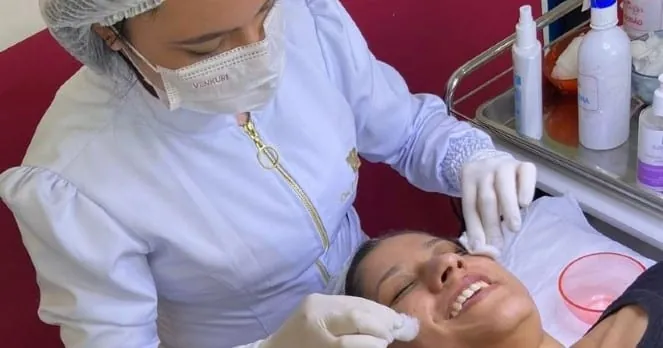
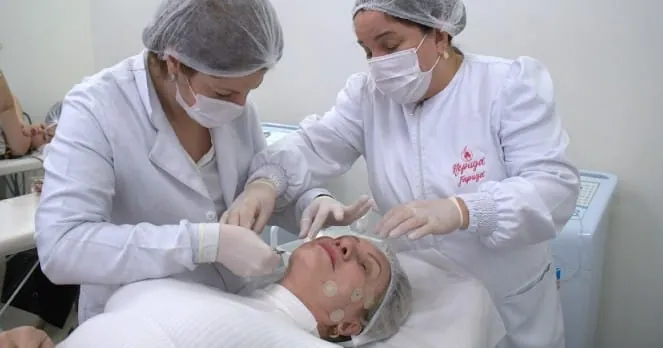
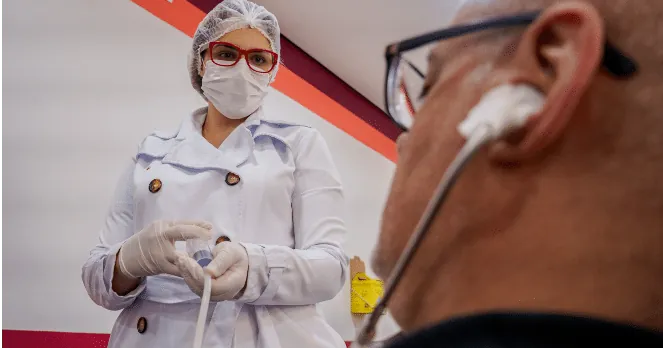
In addition, the specialization offers up to 12 hands-on classes with patient care, supervised by professors who are national references in the field, so you can begin your journey in the field with confidence and safe practice.
Methodology
Teaching is geared toward practical application. This way, students develop:
- Clinical reasoning
- Decision-making
- Confidence in practice
Hands-on experience
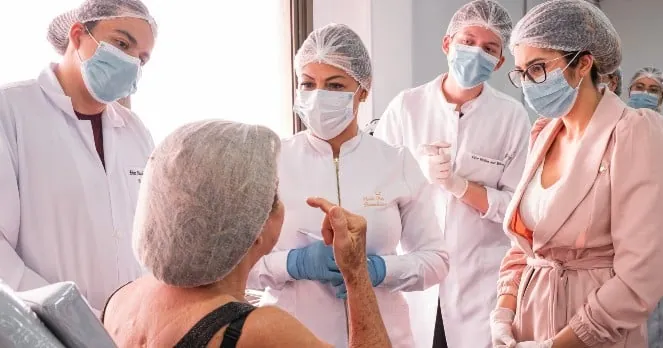
During the course, students take part in supervised activities.
This allows you to:
- Apply your knowledge
- Build confidence
- Understand real-world practice
Certification
Upon completing the specialization, the professional receives a certificate with national validity. The certificate is recognized by the market and aligned with the requirements of the Brazilian professional councils.
Units across Brazil
Nepuga has teaching clinics and support campuses in several cities across Brazil, including São Paulo, Belo Horizonte, Brasília, Curitiba, and other capitals, making access easier for biologists from different regions.
Want to start your specialization? Reserve your spot in Nepuga's Postgraduate Program in Clinical Ozone Therapy →
Postgraduate Program or Advanced Training Course: which one to choose?
This is a common question. The postgraduate program is intended exclusively for professionals who have already completed their undergraduate degree, and it allows regulated practice in the field.
Postgraduate Program in Clinical Ozone Therapy
It is intended exclusively for health professionals who have already completed their undergraduate degree. Upon completing the course, the professional receives the title of specialist and can practice in a regulated manner, in accordance with the requirements of their professional council.
Explore Nepuga's Postgraduate Program in Clinical Ozone Therapy →
Advanced Training Course in Clinical Ozone Therapy
It is aimed at students who have not yet completed their undergraduate degree. Students in health-related programs (Nursing, Biomedicine, Pharmacy, Aesthetics, Physiotherapy, among others) can begin the advanced training course right away.
The great benefit: once you finish your undergraduate degree, you can fully use the hours completed in the advanced training course and continue into the postgraduate program, without having to retake subjects. In practice, the student gets a head start, reaching the market better prepared and with a competitive edge even before graduating.
Explore the Advanced Training Course in Clinical Ozone Therapy and start before you graduate
It works as an early preparation, but it does not replace the specialization required to practice.
Take the next step in your career
If you want to work with Clinical Ozone Therapy with more confidence and structure, the right specialization is essential.
About Nepuga
Nepuga is the largest aesthetic health ecosystem in Brazil.
Founded by Dr. Ana Carolina Puga, the institution played a key role in consolidating aesthetics as a regulated multiprofessional field.
With more than 20 years of experience and more than 80 thousand trained professionals, Nepuga is a reference in training, supervised clinical practice, and alignment with the standards of the Brazilian professional councils.
Sources consulted
Complementary therapy guidelines
ANVISA
Laís Bianquini
NEPUGA content team — Núcleo de Especializações Ana Carolina Puga.