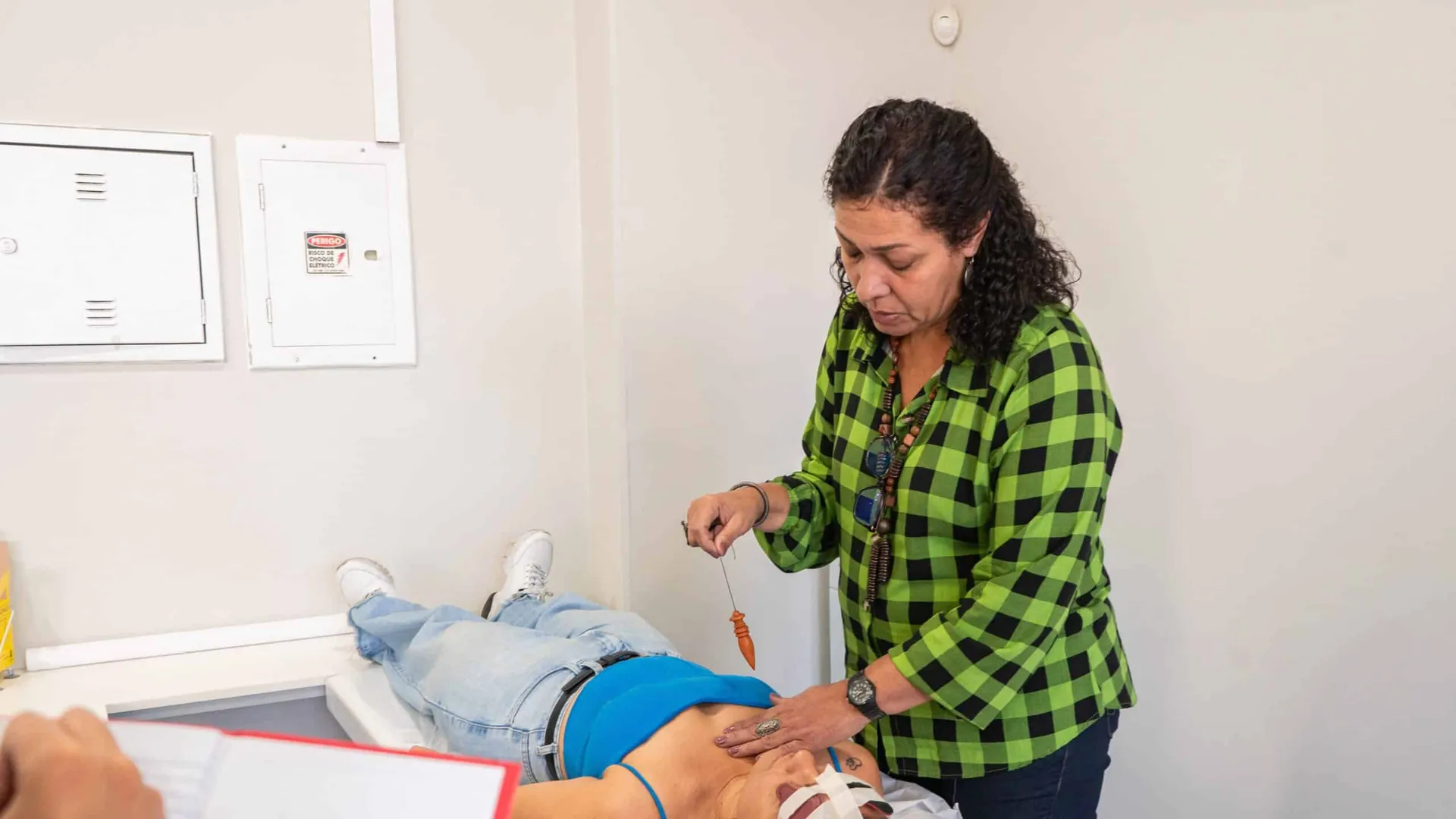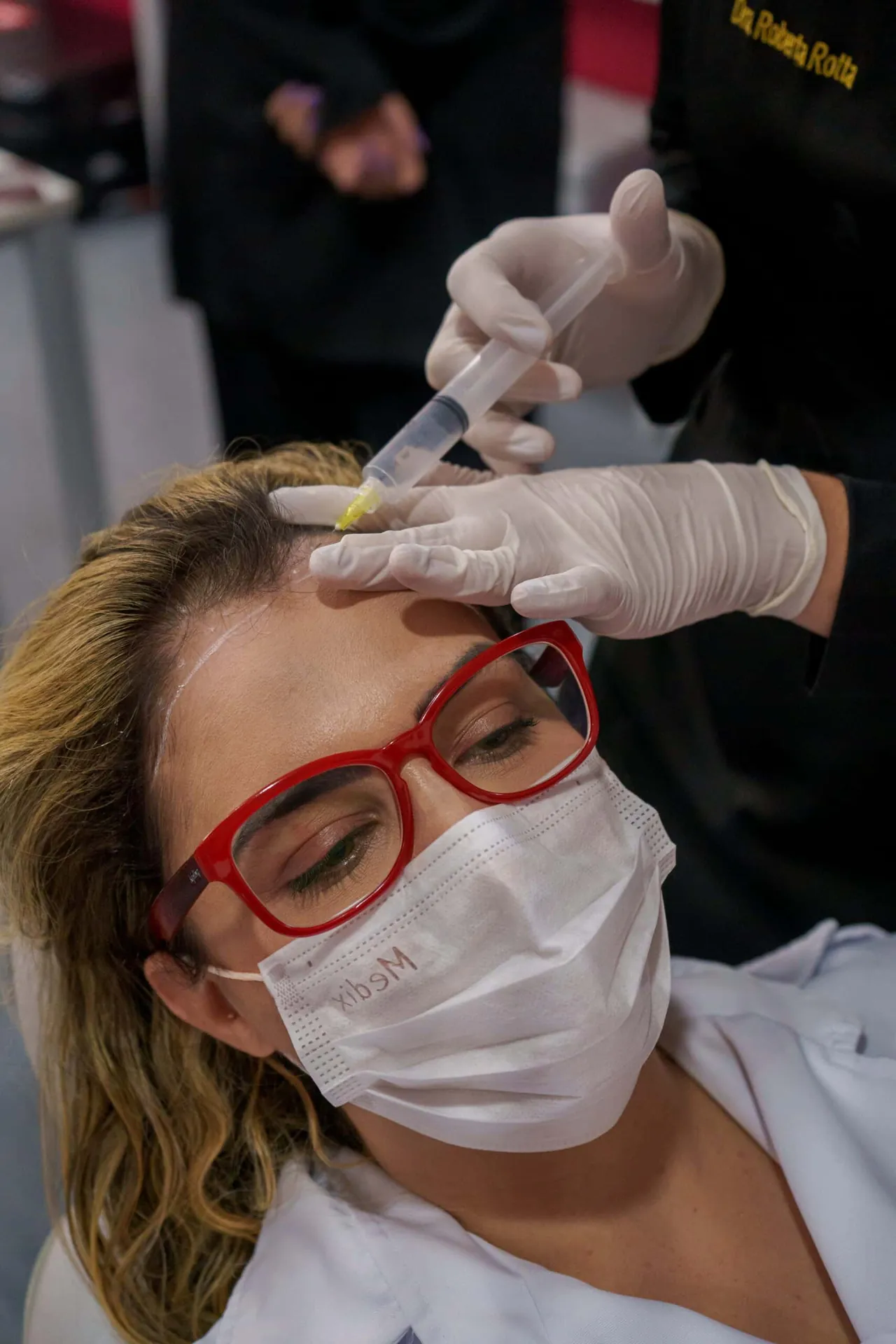
Contrary to what some media outlets have suggested, Ozone Therapy is a practice that is not only permitted but also on the rise in Brazil. Learn more about the benefits of Ozone Therapy.
Recognized for its therapeutic possibilities, Ozone Therapy is performed by health professionals from different fields and is part of the National Policy on Integrative and Complementary Practices (PNPIC) implemented by Brazil's Unified Health System (SUS).
The benefits of this form of therapy are promising. In Orofacial Harmonization, the practice gives dental surgeons more confidence, as they can use it before and after procedures to ensure asepsis of the airways and reduce inflammatory processes, as well as to treat possible complications.
To apply it safely and legally, the health professionals authorized to practice must be properly graduated and qualified by the competent council. Keep reading to understand more.
The National Policy on Integrative and Complementary Practices
The PNPIC began to be established in 2006 and is a set of practices designed for complete treatments that promote patient well-being.
There are 29 practices in the policy so far, and they can help achieve better outcomes alongside more traditional health services by offering support that considers the physical, psychological, emotional, and social aspects.
In other words, Integrative and Complementary Practices aim to promote health more completely, taking into account its complexity and each patient's specific needs.
Among the practices are also chiropractic, ayurveda, aromatherapy, acupuncture, flower therapy, meditation, yoga, and integrative community therapy.
The Benefits of Ozone Therapy
Ozone Therapy is administered using medical ozone, a mixture of oxygen and ozone that works by stimulating the body to recover from inflammatory conditions.
It is a minimally invasive practice, capable of providing analgesia as well as complementing the treatment of acute and chronic infectious diseases caused by viruses, bacteria, and fungi, in addition to assisting in the treatment of burns and diabetic ulcers.
All with rare cases of complications and proven safety, as stated in Ordinance 702/2018, which includes Ozone Therapy among the Integrative and Complementary Practices of the PNPIC, and which establishes:
“For some time now, the therapeutic potential of ozone has gained a great deal of attention due to its strong ability to induce controlled and moderate oxidative stress when administered in precise therapeutic doses.”
Backing from the Professional Councils
Health professionals from different fields can be qualified to practice Ozone Therapy. There are resolutions and opinions published by the respective Brazilian professional councils for Pharmacy, Nursing, Biology, Dentistry, and Biomedicine, which provide backing and give guidance on the practice in each field.
The resolutions and opinions published so far are:
- Resolution No. 685/2020, from the Federal Council of Pharmacy (CFF);
- Normative Opinion No. 001/2020, from the Federal Council of Nursing (COFEN), which, among other recommendations, advises training through a course of at least 120 hours;
- Resolution No. 614/2021, from the Federal Council of Biology (CFBio), which sets a minimum course load of 60 hours dedicated to Ozone Therapy for biologists to be able to practice;
- Resolution No. 166/2015, from the Federal Council of Dentistry (CFO);
- Resolution No. 321/2020, from the Federal Council of Biomedicine (CFBM).
All of these resolutions and opinions recognize the application and benefits of Ozone Therapy as part of Integrative and Complementary Practices, and state that professionals must be properly qualified by Higher Education Institutions recognized by Brazil's MEC (Ministry of Education) or through a multidisciplinary residency program in the field of ozone therapy.
For full qualification, professionals must also submit a request to the Regional Council of the competent jurisdiction.
Anvisa's Position
For its part, Anvisa (Brazil's National Health Surveillance Agency) sets out the technical position that the safe and proven use of Ozone Therapy can be applied in:
- Operative dentistry: treatment of dental caries – antimicrobial action;
- Periodontics: prevention and treatment of inflammatory/infectious conditions;
- Endodontics: enhancing the sanitization phase of the root canal system;
- Oral surgery: support in the tissue repair process;
- Aesthetics: support for skin cleansing and asepsis;
Laís Bianquini
NEPUGA content team — Núcleo de Especializações Ana Carolina Puga.