All the moments of our lives are made of experiences. Whether positive or negative, there is no escaping them. These moments shape us and turn us into the human beings we are.
Bad moments give us tools that make us stronger. These tools can be defined as resilience. On this skill, the last group in the Integration project presents a discussion about resilience and the aspects that help us build it.
Resilience is the ability to face challenges, overcome adversity and adapt to difficult or traumatic situations while maintaining emotional or psychological integrity. It is the ability to recover and grow in the face of adverse situations, turning that difficult experience into learning and personal growth.
To start the conversation, the group also presented what each member understands by resilience and the definition that originates in physics. Resilience in Physics is the ability of a material to take an impact and return to its original state, very similar to the idea psychology gave it, adapted to the emotional side.
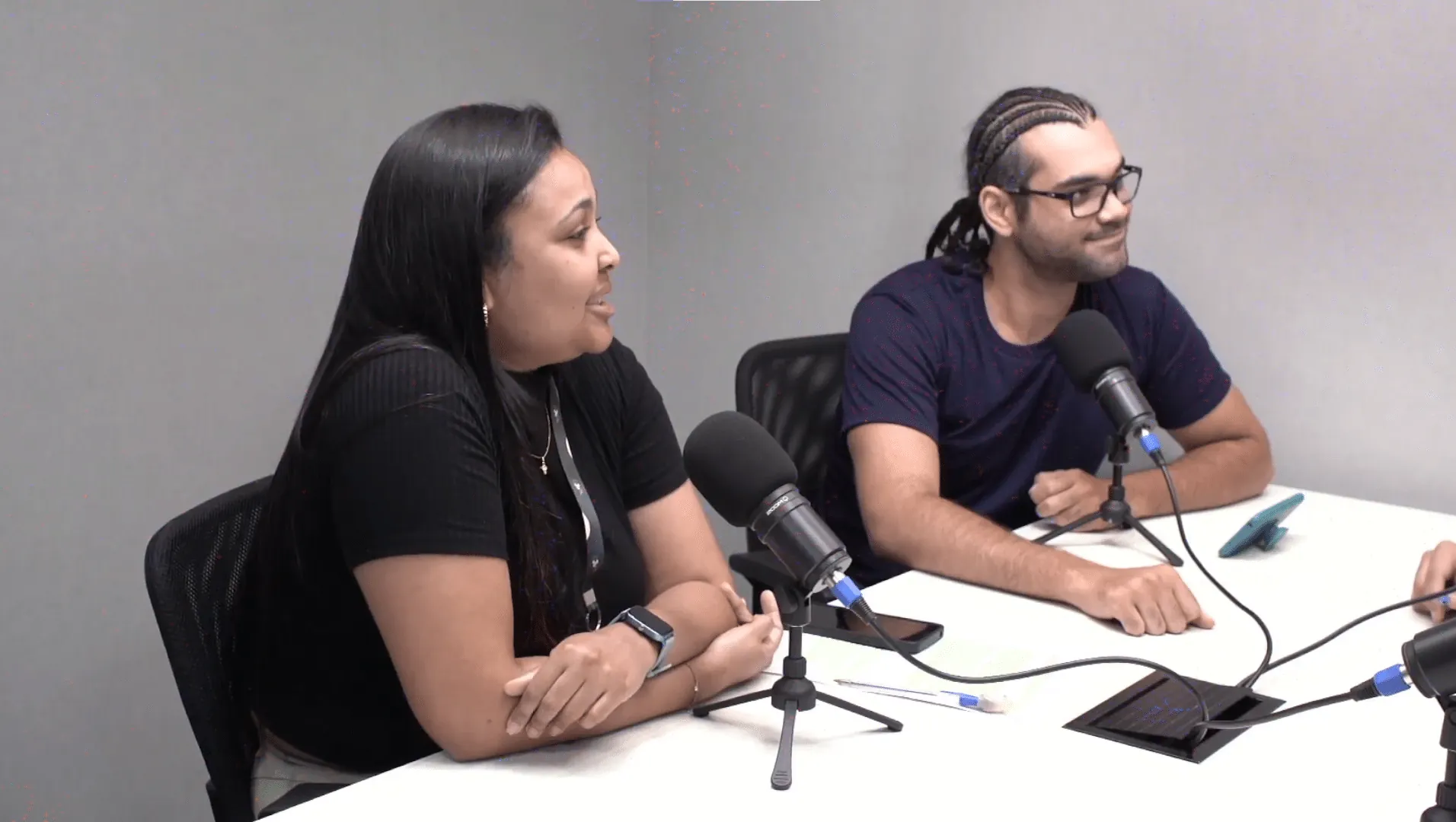
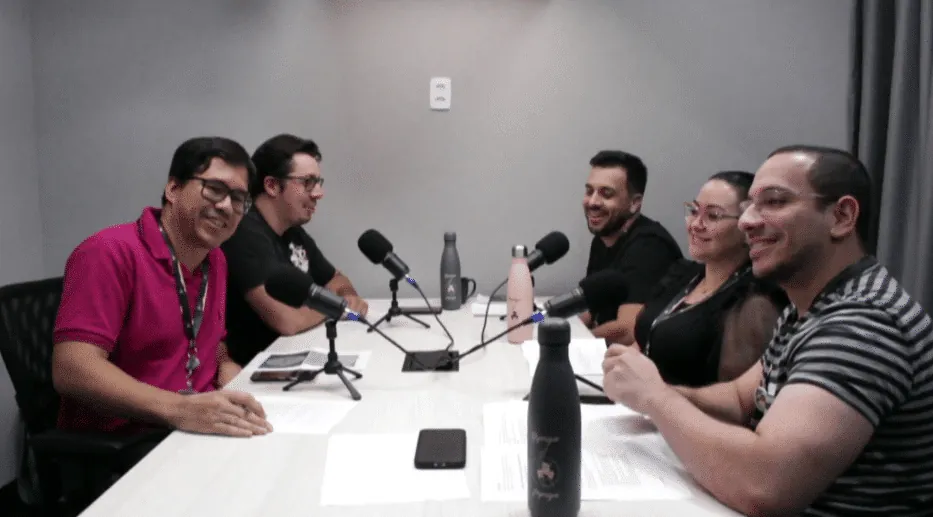
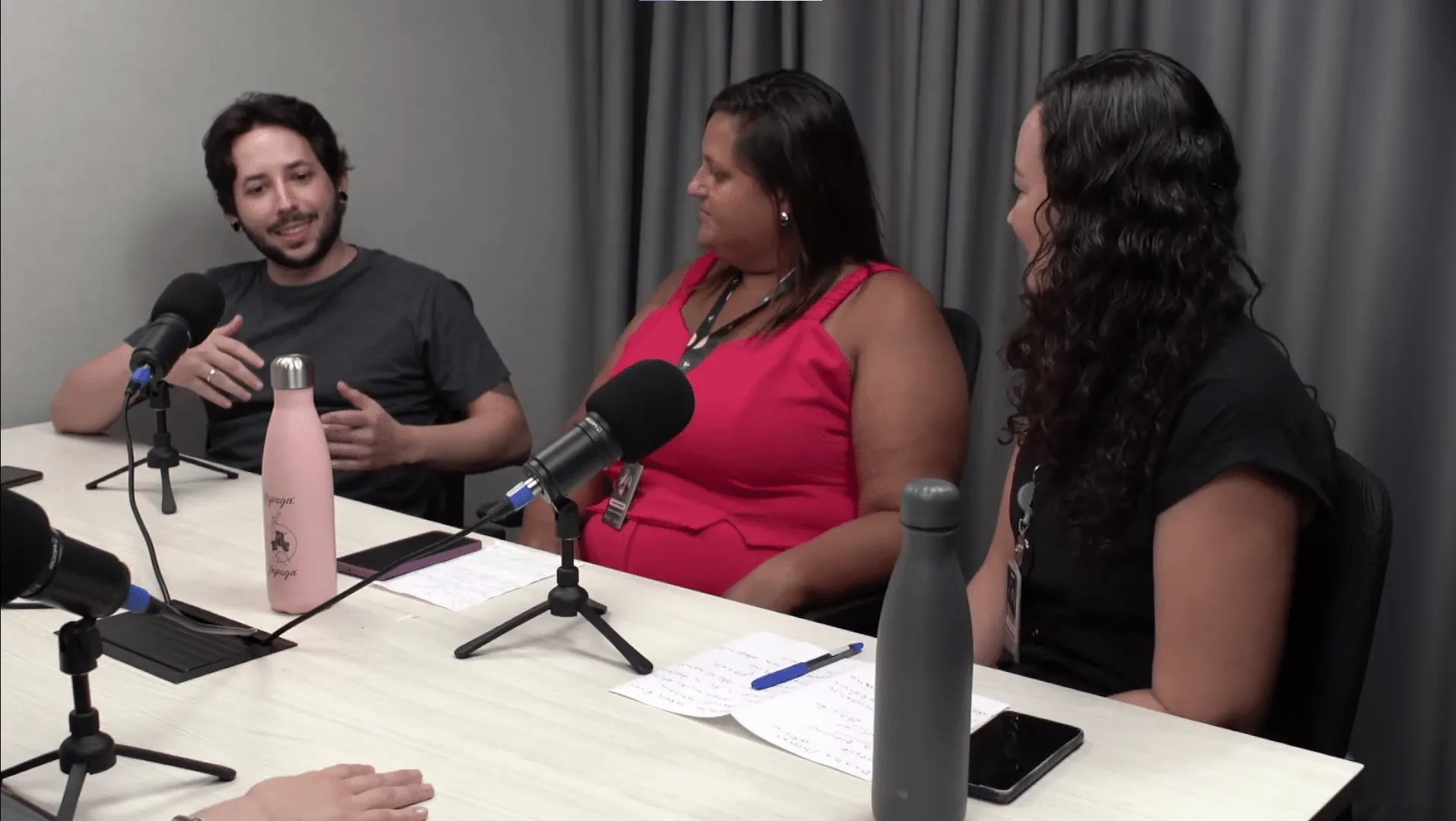
At the table for this discussion were team members Rafael Alves, from the Marketing Department; Gabriel Henrique, from the After-Sales Department; Giovana Popolin, from the Academic Office; Paulo Bazan, from Legal; and Diego Dantas, also from Marketing.
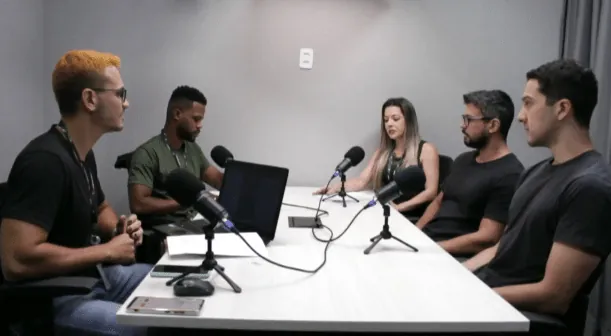
Discussion on resilience in the workplace
Dealing with the corporate day to day is a daily battle for many people. Many adversities can happen that end up hurting us in various ways, such as a late bus, rain, no electricity or water at home, that is, factors that are not up to us or under our control, and all of this can affect our mood during the workday.
Besides these factors, before even arriving at work, we sometimes deal with more heated customers, a coworker having a bad day, a broken piece of equipment; there are many cases that can “take away our peace.”
The tools we use to face these challenges are the shields we earn over a lifetime, which have been given the name resilience.
Giovana shared her experience with customer service and how she uses resilience to handle some unpleasant situations. “I believe flexibility is necessary. Understanding that sometimes what the student is telling you is not about you and may be their frustration at not getting the solution they expected in a certain case. It's not personal. I need to receive that information and give them an answer calmly, also to reassure them.

The situation illustrated by Gio has points that are the basis of how to be resilient at work. Your ability to deal with problems, overcome obstacles, face adverse situations or even communicate well are some of the factors that make you a resilient person.
Being resilient at work helps you stay productive and face crises. Often, resilient people have high emotional intelligence and manage emotions effectively.
How does psychology view resilience?
To better illustrate and clarify the subject, the group featured psychologist Letícia Macedo, who presented psychology's view on the topic.
“Talking about resilience is like talking about a process of adaptation. Being resilient is not just lifting your head and getting through adversity. It actually says much more about learning to deal with our expectations, which are sometimes frustrated.”
Letícia also stresses that being resilient is not pretending that nothing can shake us, but rather how to keep going even in the face of an impact that may hurt us.
“Resilience is not ignoring that bad or uncomfortable situation. It's looking at it and feeling how it affected you and creating the conditions to deal with it.”
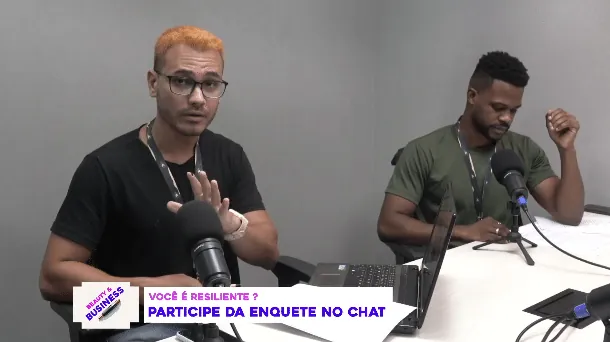
For a better example, Letícia also draws a parallel between working out at the gym and our emotional life
“Our emotional side works like a muscle we exercise at the gym. If you create stimulus, the muscle grows. It's the same with the emotional side. We have to exercise and work on our emotions so we are stronger in certain situations. Being resilient is precisely feeling the pain and learning from it.”
How to be more resilient?
In the face of adversity, the body needs to react, whether physically or emotionally. In the case of resilience, as psychologist Letícia Macedo told us, only by stimulating our feelings can we become stronger people in this sense.
This skill cannot simply be absorbed. We need to work on our feelings to have more awareness and psychological structure to face the obstacles of our day to day.
The group presented some ways to improve the ability to be resilient, including: Not avoiding the problem. Facing obstacles and taking proactive action can foster the development and resolution of that problem.
Being able to self-regulate is also an advantage. Staying focused in moments of stress and acting in the best way is essential for emotional control.
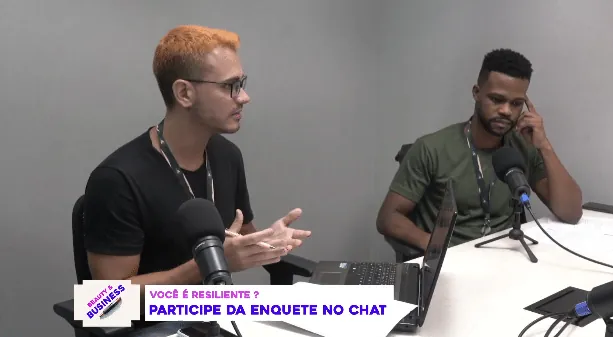
There is also the practice of optimism, that is, not losing hope and being in control of the situation, focusing on what can be done at that moment and identifying positive ways to act.
Another essential point is having a comfortable support network. Surrounding yourself with people who offer words of encouragement and who will be by your side when your strength runs out will be key to staying on your feet.
As presented by the Mentes Brilhantes (Brilliant Minds) group, which talked about Purpose and Self-Efficacy, being self-confident and having self-esteem is also one of the pillars for facing problems without being discouraged.
Artistic performance and special guest

The Beauty & Business group closes the presentation with the song “Os Anjos” by the band O Rappa, performed live by team members Rafael Alves and Gabriel Henrique. The work of the band from Rio de Janeiro ties in with the theme discussed by the group.

With the end of the Integration Project presentations, Dr. Ana Carolina Puga was the special guest. She took part through a video message sent to all Nepuga team members. In her participation, she spoke about how she had to be resilient on her path and left a year-end message for everyone involved in this project.
OrganizationalRafael Alves
NEPUGA content team — Núcleo de Especializações Ana Carolina Puga.