Integrative Health encompasses complementary therapies that contribute to a better quality of life. With less aggressive methods, they can prevent and treat degenerative and psychological conditions, such as depression.
These therapies are known as Integrative and Complementary Practices (ICPs), and you have certainly heard of some of them. They are techniques that have been practiced for a long time, such as acupuncture and yoga, but only gained prominence and scientific recognition as Integrative Health after a long struggle.
More specifically, in May 2006, Brazil's Ministry of Health approved the National Policy on Integrative and Complementary Practices in Health (PNPIC), through Ordinance GM/MS No. 971.
And since then, they have played an essential role in caring for mental and physical well-being, broadening the scope of Integrative Health.
What sets these therapies apart is that each one takes a more humanized view and offers closer care to each patient. If this fits your profile, Integrative Health could be your field. See how an aesthetic professional can work in this area.
Integrative Health in Aesthetics
Dr. Ana Carolina Puga (M.Sc.), besides being the mother of Aesthetic Biomedicine, was also a pioneer in Integrative Health in Brazil.
As an Aesthetic Biomedical Professional, she explains that it is possible to work in Aesthetics and be an integrative therapist, performing assessments with a deeper eye and raising therapeutic hypotheses for the patient's problems.
“Let's suppose this patient wants a treatment for localized fat, with intradermotherapy. But in your investigation during the assessment, you identify that they overindulge in sweets, smoke, are overweight, and drink alcohol frequently. You can already tell that applying enzymes alone will not give you a lasting, satisfactory response in treating this patient,” she explains.
In these cases, it is possible to apply integrative therapies to improve the patient's quality of life and, in the future, keep diseases such as diabetes and hypertension from advancing in the person's body.
This is one of the ways to apply Integrative Health in Aesthetics. In addition, there are many practices included in this area that involve Aesthetics; see below.
https://youtu.be/v1pS08KJF5o
Integrative Health Practices in Aesthetics
There are many ways Integrative Health is used within Aesthetics, but we can highlight some of the most interesting and distinctive:
Ozone Therapy
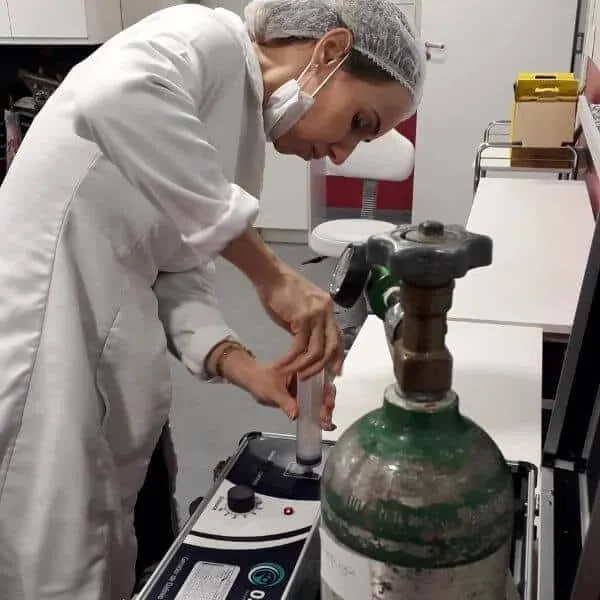
Ozone, already well known in Integrative Health, is made up of three oxygen atoms, and when injected into the body it can improve tissue oxygenation and stimulate the immune system.
Neural Therapy
In this practice, the aim is to seek balance in the nervous system through anesthetic substances injected into specific parts of the body.
Colon Therapy/Hydrocolon Therapy
The goal of this complementary therapy of Integrative Health is to cleanse the walls of the large intestine through gentle jets of purified water.
PRP
The acronym stands for Platelet-Rich Plasma, and the technique consists of applying the patient's own cell growth proteins to other parts of the body, such as the hands, face, neck, or back, stimulating rejuvenation.
At Nepuga, there are two postgraduate programs for aesthetic professionals who want to work with Integrative Health: Postgraduate Program in Ozone Therapy and Integrative Health and Postgraduate Program in Quantum Naturopathy.
News|Integrative Health
Josiele Batista
NEPUGA content team — Núcleo de Especializações Ana Carolina Puga.