In recent weeks, a legislative agenda item has raised concern among professionals and students who work, or plan to work, in the field of Aesthetic Health in Brazil. The reason was the progress of Bill No. 1027/2025, which began to be debated in the Health Committee of the Chamber of Deputies.
The topic gained attention because, during its progress, a substitute to the original textwas presented, expanding the proposal and suggesting that so-called “aesthetic medicine” be considered an activity exclusive to physicians. This change raised alarm among different health professions that work in a regulated manner in the aesthetics field.
What Happened in Practice
In light of the concern generated by the new text, several professional councils in the health field mobilized, presenting technical, scientific, and legal grounds for multiprofessional practice in aesthetics.
Federal councils from different professions, including Nursing, Biomedicine, Pharmacy, and other health professions, spoke with members of the Health Committee to show that:
- The aesthetics field already has established multiprofessional practice in Brazil
- Several professions have specific regulation and qualifying training to work in the field
- Patient safety is tied to professional qualification and compliance with technical protocols, and not exclusively to the professional category
As a result of this institutional and parliamentary effort, requests to withdraw the bill from the agenda were submitted, which led to the decision to remove the bill from discussion at that time.
What Withdrawal from the Agenda Means
Withdrawal from the agenda means that the bill was not voted on and did not advance in the Health Committee at this time.
In addition, the lawmakers themselves indicated that the topic should go through a broader debate with the different health professions, precisely to avoid any measure that restricts professional competencies that are already recognized and regulated.
This decision was the result of a joint mobilization of professional councils, lawmakers, and representatives of the professions involved.
Court Decision on Biomedicine Also Raised Questions
Another topic that raised questions among professionals and students was a recent decision by the Federal Regional Court of the 1st Region (TRF1) involving Resolution No. 241/2014 of the Federal Council of Biomedicine, which addresses the practice of biomedical professionals in the field of aesthetics.
The court decision annulled that resolution. However, the Federal Council of Biomedicine itself clarified that the decision does not yet represent a final position of the Judiciary, since the case is still under discussion and still allows appeals.
The Council reported that it has already filed Motions for Clarification (Embargos de Declaração), an appeal used to clarify points of the decision and correct possible omissions or contradictions.
This means that the case is still ongoing in the Judiciary and will continue to be debated legally in the competent courts.
Biomedical Professionals' Practice in Aesthetics Remains Supported
According to the Federal Council of Biomedicine, the court decision does not prevent the practice of biomedical professionals in aesthetic health.
Properly qualified professionals remain supported by a set of rules and resolutions that remain in force, including:
- Resolutions No. 197/2011 and No. 200/2011
- Resolution No. 307/2019
- Resolutions No. 347/2022 and No. 348/2022
- Resolutions No. 359/2023 and No. 363/2023
- As well as Normative Instructions from the Federal Council of Biomedicine itself
These normative acts continue to regulate and guide professional practice in the aesthetics field.
Multiprofessional Practice in Aesthetics Remains Supported
It is important to stress that nothing has changed in the current legislation that regulates the practice of health professionals in aesthetics.
Properly qualified professionals can still work within the competencies established by their professional councils, provided they meet the required technical, scientific, and legal requirements.
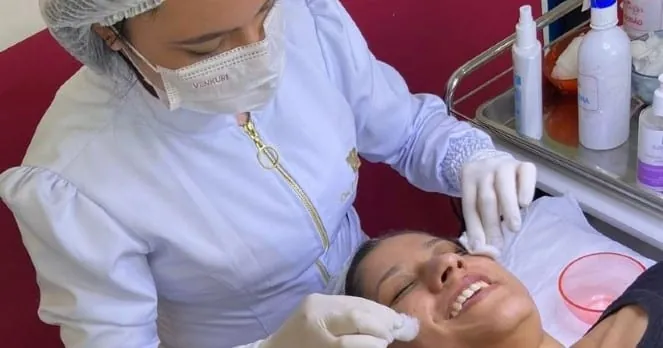
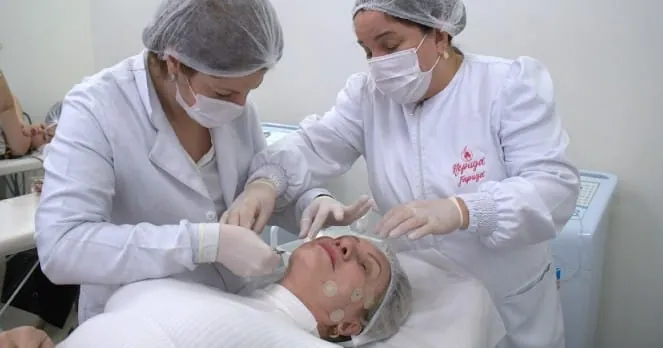
Aesthetics in Brazil is today a multiprofessional field, built over years of scientific progress, specific regulations, and qualified training in different areas of health.
Patient Safety and Professional Qualification
Another point widely defended by the professional councils during the debate was that patient safety is directly related to proper training and technical responsibility, and not to the exclusivity of a single profession.
Therefore, responsible practice in aesthetics requires:
- Specific training
- Technical qualification
- Compliance with clinical protocols
- Practice within the professional limits established by the respective councils
These are the pillars that ensure the quality and safety of care.
A Message for Our Students and Future Students
We know that news involving legislative changes or court decisions can cause insecurity, especially for those who are building their careers in the field of Aesthetic Health.
That is why we believe it is our duty to provide clear, responsible, fact-based information.
Nepuga, an institution founded by Dr. Ana Carolina Puga and nationally recognized for training professionals in the field of aesthetic health, permanently monitors all the technical, legal, and legislative discussions involving the practice of health professionals in this field.
Since the beginning of the consolidation of Aesthetic Health in Brazil, Nepuga has been part of building this movement. Dr. Ana Carolina Puga was one of the leading voices in defending multiprofessional practice in aesthetics, actively taking part in debates, mobilizations, and efforts that helped different health professionals earn the place they hold today with responsibility and qualification.
This path was not built easily. It was the result of years of dedication, study, institutional dialogue, and technical defense of the professional competencies of each health field.
That is why we remain attentive and committed to closely following any discussion involving the future of aesthetics in Brazil, always with the goal of bringing clear and responsible information to our students, colleagues, and professionals in the field.
We reaffirm that, at this time, there is no change in legislation that prevents or restricts the practice of qualified health professionals in aesthetics. Practice remains supported by technical standards, professional regulations, and specialized training.
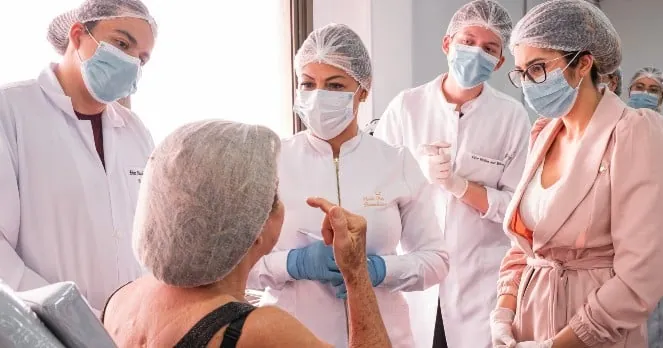
The recent mobilization of professional councils and representatives of the different professions demonstrated precisely the strength of multiprofessional practice in this field, which today brings together biomedical professionals, pharmacists, physiotherapists, nurses, dentists, biologists, and other qualified health professionals.
This fight for the appreciation and recognition of aesthetic health has always been guided by responsibility to science, to professional training, and above all, to the safety of the public.
And that responsibility remains.
Nepuga reaffirms its historic commitment to the ethical, technical, and scientific training of aesthetic health professionals and will continue to closely follow all discussions involving the future of the field.
To all of our students and future students, we leave a clear message: stay firm in your training and in your professional practice, with confidence, responsibility, and trust.
Aesthetic health in Brazil was built with a lot of work, dedication, and unity among different areas of health, and that path continues to be defended every day.
You are not alone on this journey.
Laís Bianquini
NEPUGA content team — Núcleo de Especializações Ana Carolina Puga.