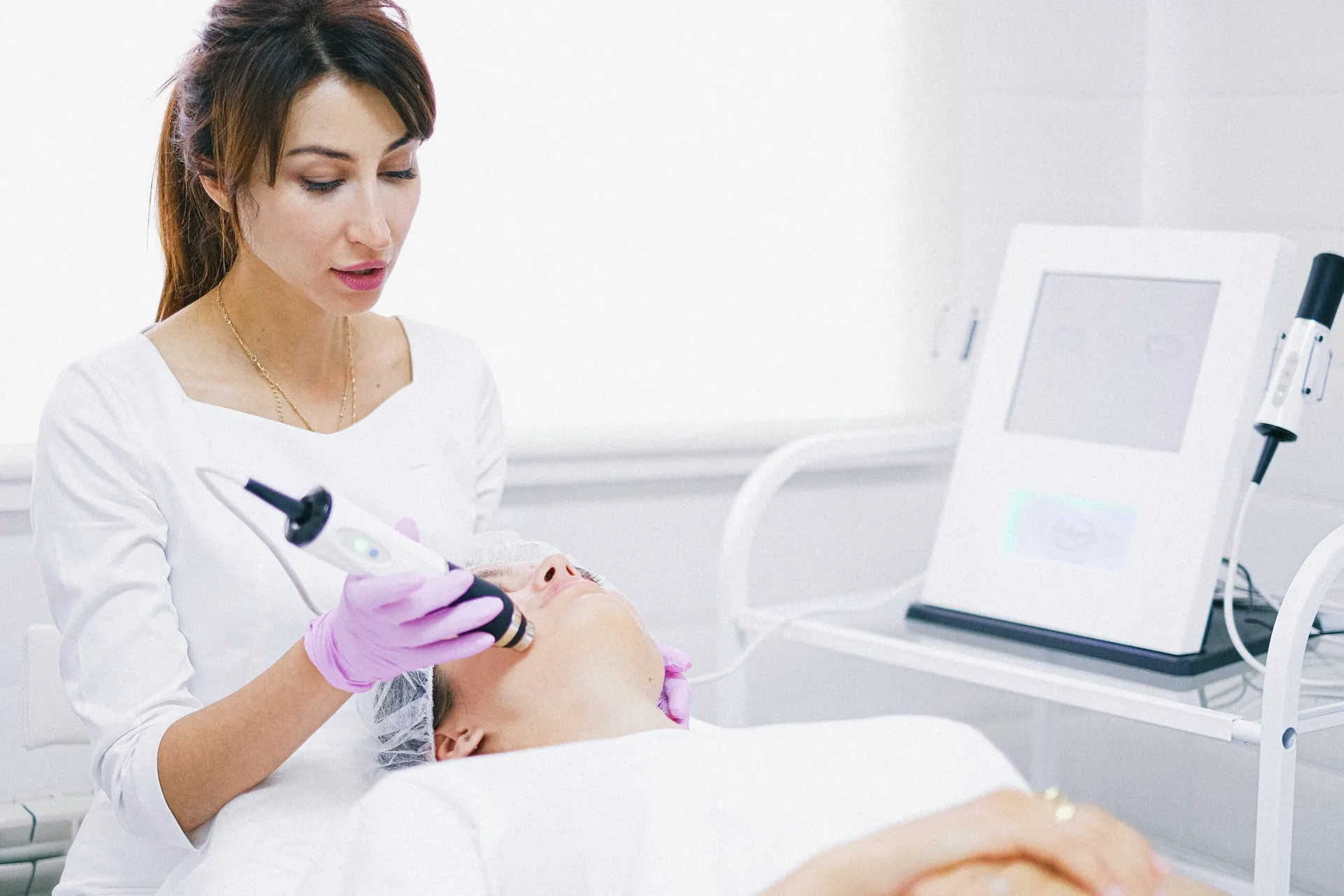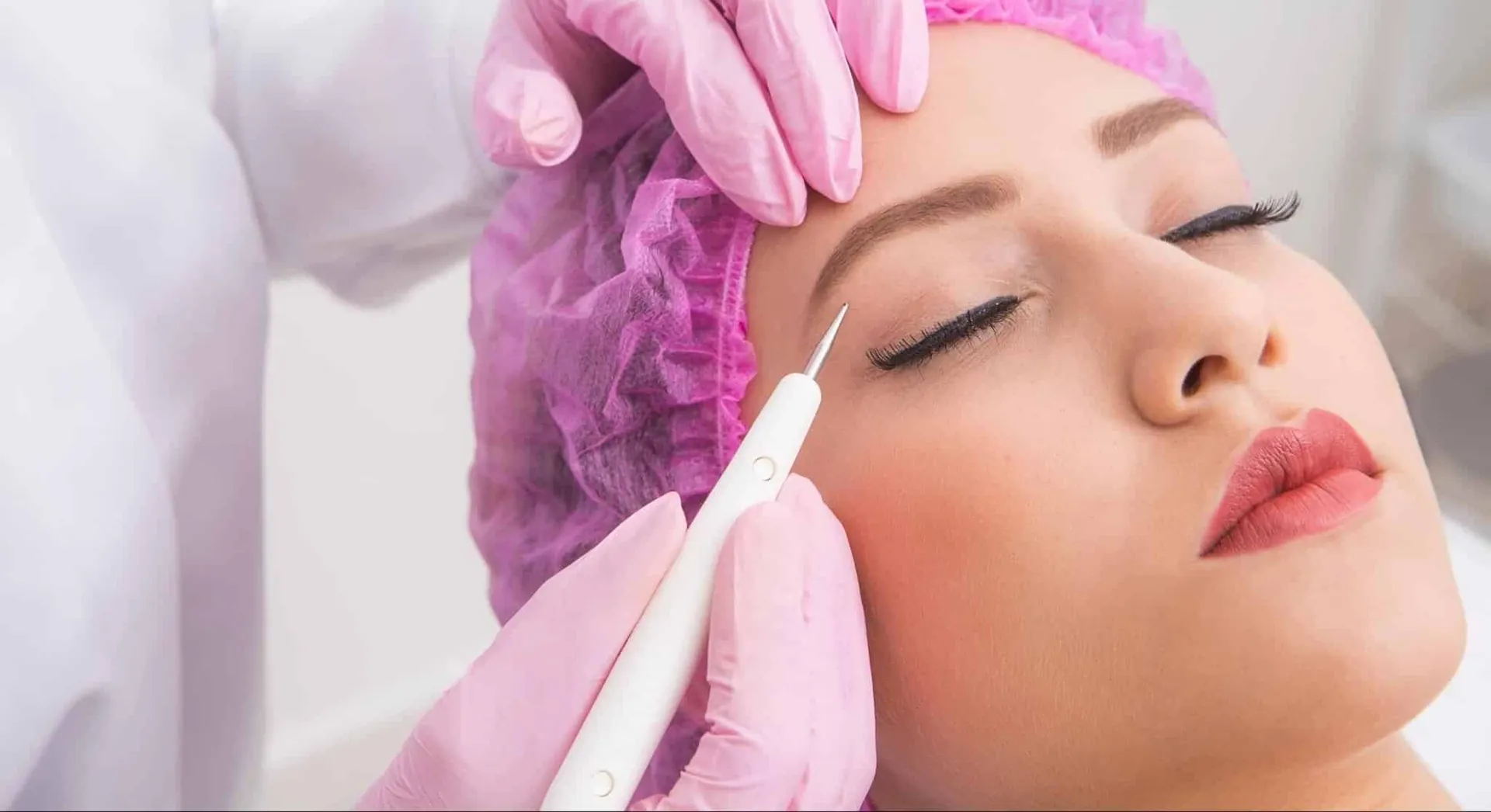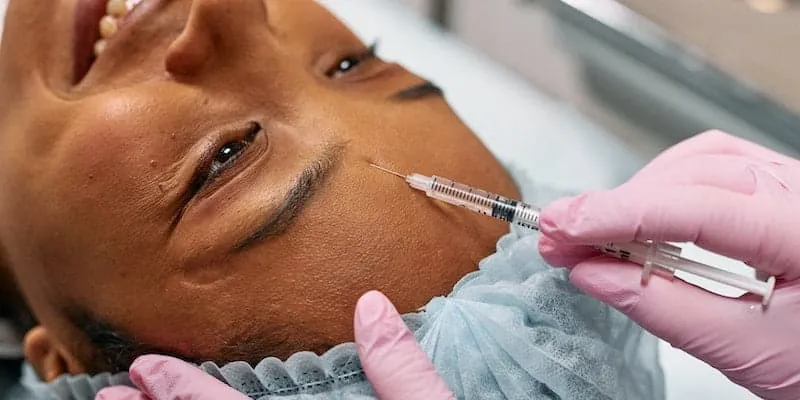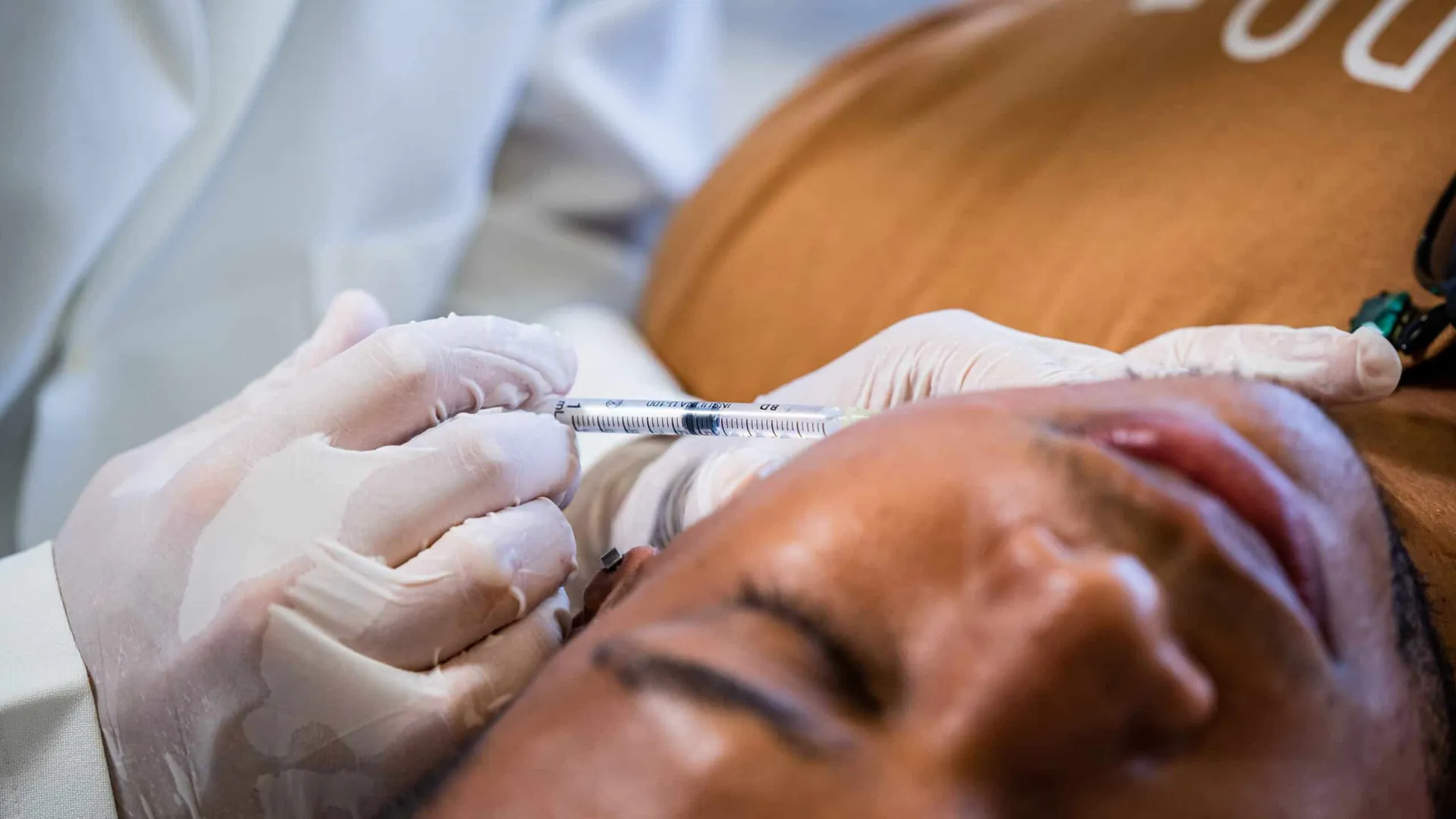
The profession's work in aesthetics is already a reality, in line with its recognized and sought-after competencies. But the establishment of this new certification for physiotherapists ensures full backing for practice using botulinum toxin.
Throughout this article, you will find more details about Ruling (Acórdão) No. 609, of May 11, 2023, which establishes the legality of the substance's use by physiotherapists; but we also take the opportunity to talk about other procedures this profession can perform.
If you read to the end, you will also see 3 inspiring cases of physiotherapists who decided to change their careers through specialization in Aesthetic Health.
The new certification for physiotherapists
Legal backing brings professionals closer to the council, which oversees, regulates, grants certification and supervises the practices of a profession, giving more security to professional conduct as well as to patients and society as a whole.
By publishing the new Ruling, the Federal Council of Physiotherapy and Occupational Therapy (COFFITO, Brazilian professional council) sets out the requirements for training and granting this new certification for physiotherapists.
As the first criterion in this ruling, it is defined that the physiotherapist must have: “Specific training in qualification courses recognized by the Federal Council of Physiotherapy and Occupational Therapy, with a minimum of 50 (fifty) hours for the use of botulinum toxin in the specialty area of Dermatofunctional Physiotherapy and 70 (seventy) hours for the use of botulinum toxin in the specialty area of Neurofunctional Physiotherapy;”.
The third criterion also addresses the training curriculum, stressing that 60% of the course must be devoted to supervised in-person practice. It is also recommended that this practice be supervised at a maximum of 6 students per RT (technical supervisor).
And, complementing what is stipulated in criterion III, criterion VIII defines: “Professionals who have completed prior training will be allowed to complement it to meet these criteria, provided they meet the total course load and the minimum 60% practice and at an institution regularly registered with COFFITO;”.
The other requirements are less specific to the new recognition, so we do not highlight them here, but they can be consulted in full.
Aesthetic procedures within the scope of physiotherapy
Before this ruling was published, other documents already addressed physiotherapists' work in aesthetics, especially resolutions 362/2009 and 394/2011, both about Dermatofunctional Physiotherapy.
For the proper regulation of the techniques and resources specific to Dermatofunctional Physiotherapy there is also Ruling (Acórdão) No. 293 of June 16, 2012, which lists LASER, Intense Pulsed Light, Radiofrequency, Carboxytherapy and Peels as part of physiotherapists' work, and sets out other determinations about each of the procedures.
Of those listed, until then only Carboxytherapy was among the injectables. But, within the scope of physiotherapy, it is worth remembering that injectable practices are part of these professionals' routine, in different types of treatments.
In addition to procedures for aesthetic purposes, Ozone Therapy and other integrative practices are also permitted to physiotherapists.
And, as the CREFITO of the 15th region (Brazilian professional council) reminds us, under the principle of legality, the fact that there is no legislation against physiotherapists performing injectable procedures, as long as within their competencies and training, makes such practices possible within the law.
Broader regulation, detailing other aesthetic and integrative health procedures, is a frequent topic in meetings involving councils from different health areas and bodies able to legislate on the matter.
The careers of real physiotherapists in aesthetics
As mentioned at the start of the text, the practice of aesthetic treatments by physiotherapists is already a reality, along with the opportunity to use their own training in an aspect of care that is often neglected but can make all the difference in people's health.
Carla Caporeli is an example of this.
A physiotherapist since 1999, Carla speaks with great satisfaction about her career change, now more focused on aesthetics:
“My whole life I worked with pain. And today I see that it's really nice to give people their self-esteem back. A person comes to you and isn't looking for something frivolous, but a change in self-esteem”
Carla highlights schedule flexibility as one of the advantages of the aesthetics field, which allows her to better balance her personal life with work.
The aesthetic physiotherapist from São Paulo encourages other professionals in the field to consider specialization in aesthetics, highlighting the guaranteed financial return and the growth of the sector. She believes physiotherapists have valuable skills to offer in this field and can contribute significantly to the well-being and self-esteem of their patients.
A multidisciplinary approach in aesthetic physiotherapy
Dr. Elisângela Cardoso started her career in aesthetics and decided to deepen her care for people through training in Physiotherapy; choosing this profession allowed her to combine her care for patients with her interest in science.
And, after having children, Elisângela was looking for a profession that offered schedule flexibility and the opportunity to be autonomous in her work.
In 2015, she took an important step toward her goals by completing a Postgraduate Program in Aesthetic Health. With seven years of experience in the market, she now has her own Functional Aesthetics practice in Juiz de Fora.
Elisângela stands out by going beyond superficial aesthetics and dedicating herself to caring for the body as a whole. She emphasizes the importance of a multidisciplinary approach, seeking to understand and treat her patients' individual needs.
The ozone therapy difference
Part of the postgraduate program in Aesthetic Health, Ozone Therapy has been a great differentiator in the practice of the last career example we chose to highlight here.
Célia Regina de Assis found in the postgraduate program an opportunity to improve her patients' condition and increase her income. With experience in rehabilitation and specialization in dermatofunctional care and oncology, she noticed an increase in demand for aesthetic procedures during the pandemic.
Ozone therapy brought advantages such as reduced nausea, reduced pain and improved mood for patients undergoing chemotherapy. In addition, Célia saw joint application as a possibility for patients with osteoarthritis, arthritis and other related pain. Ozone therapy also offered systemic benefits for other conditions, allowing for differentiated treatment in her clinic.
News|Aesthetic HealthLaís Bianquini
NEPUGA content team — Núcleo de Especializações Ana Carolina Puga.