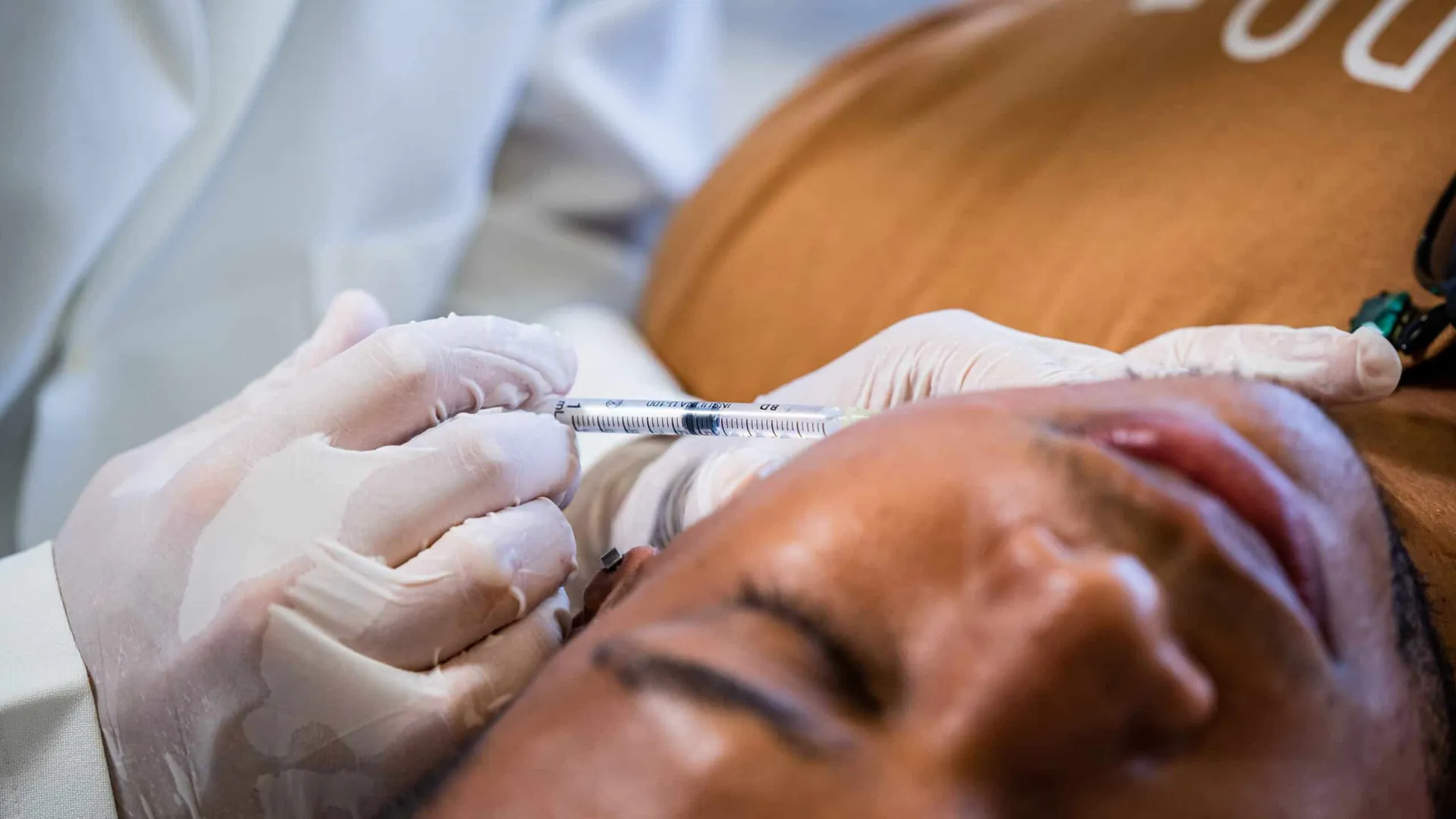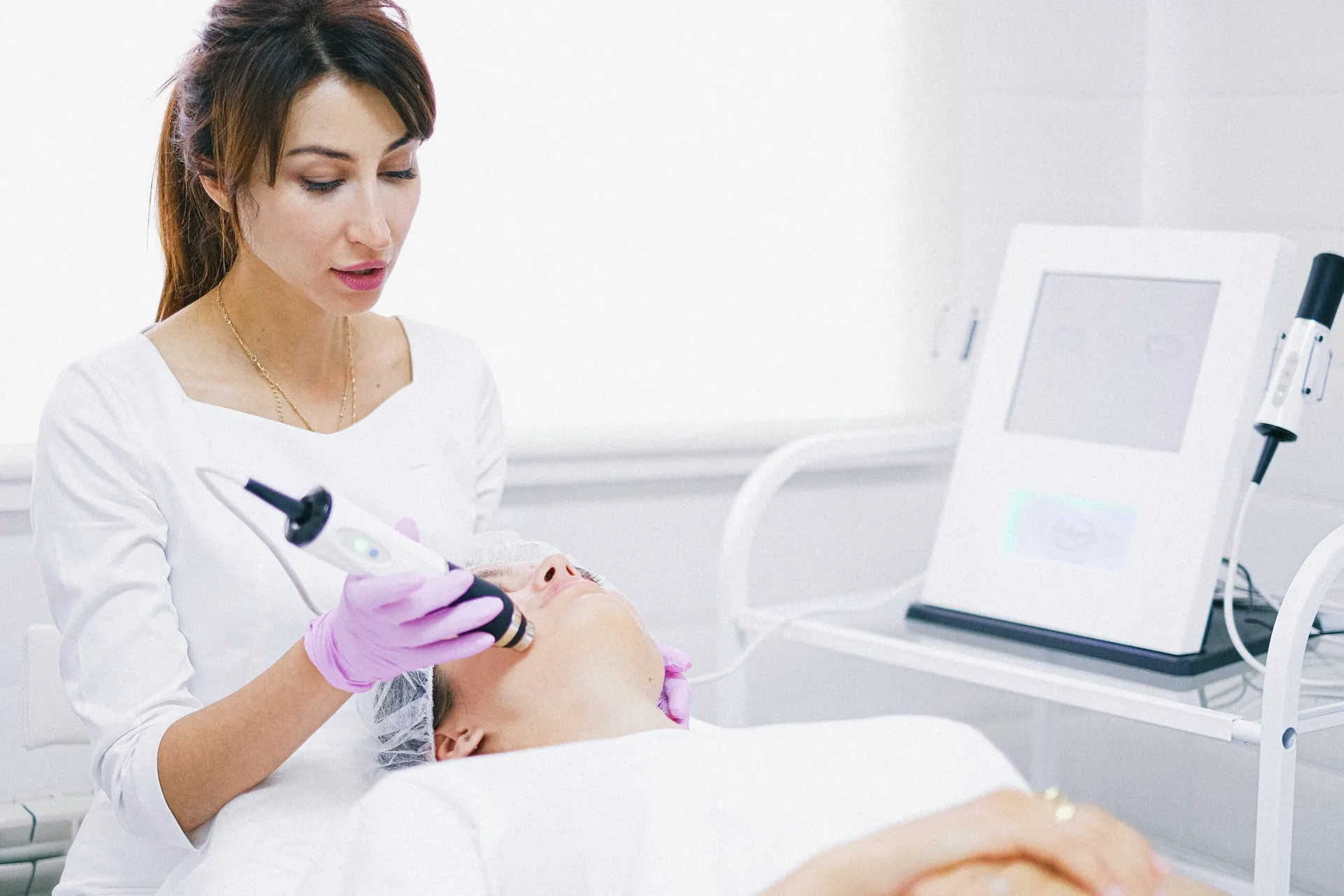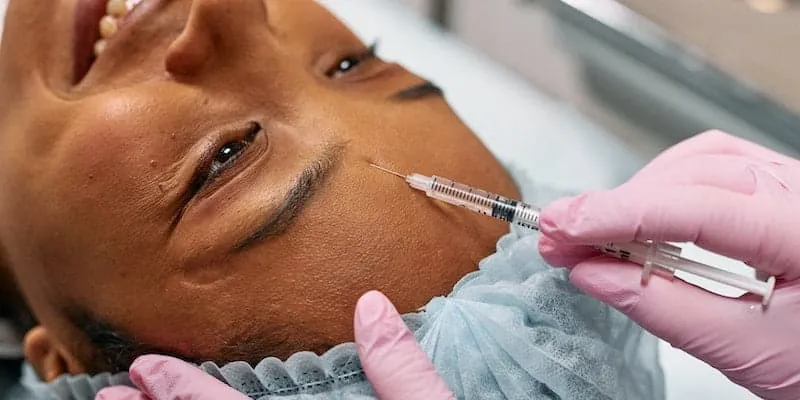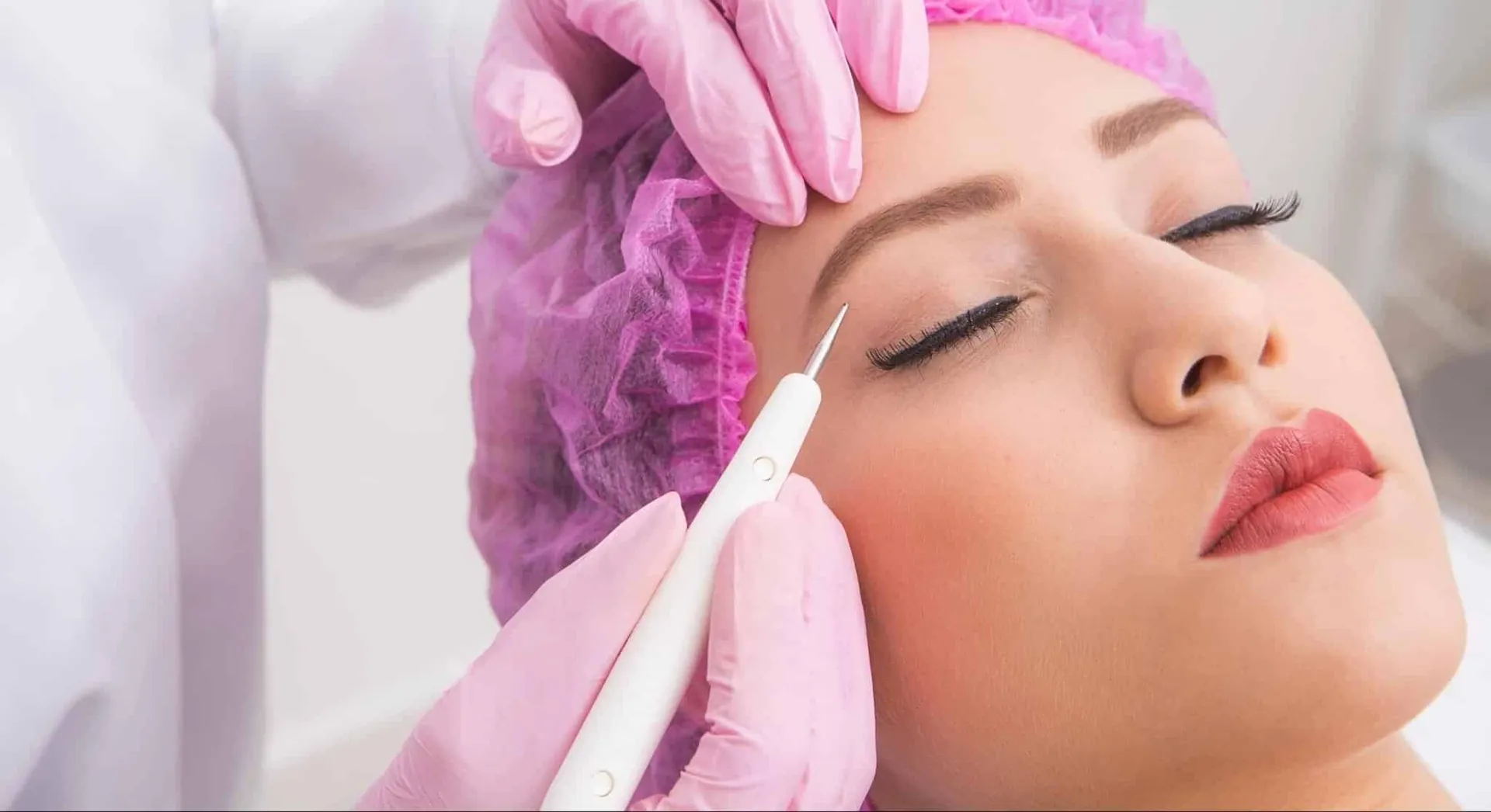
Plasma jet treatment came from Europe and started to become popular in Brazil in 2005. Today, practically every aesthetics clinic has the equipment because it allows for a variety of goals. Find out what it is and how it works!
What is plasma jet treatment
Plasma is the fourth state of matter. The name comes from Irving Langmuir, in 1928, while the meaning comes from Greek and refers to moldable, gelatinous matter.
It is generated when electrons separate from atoms and form an ionized gas. The fact is that to obtain plasma, a high-voltage electric current is needed. Yes, this gas can be applied to the skin and produces effects, such as fungicidal and bactericidal power.
To achieve the expected results, with increased blood circulation and collagen remodeling, the treatment must be performed by a qualified professional, who will be responsible for all conditions.
How plasma treatment works
Plasma treatment offers benefits such as improving the appearance of sun spots as well as those that come naturally with age, that is, with the aging process. It also treats scars, keloids, acne and sagging skin.
With the plasma jet, healthcare professionals can achieve incredible results on expression lines, dark circles, stretch marks and even help remove moles and warts.
Recently, the technique has been tested for tattoo depigmentation.
The explanation for all this is that plasma jet treatment activates the skin's healing and regeneration processes, enabling collagen production and stimulating the immune system, producing the dermal effect patients are looking for.
Indications for plasma jet treatment
The main indications for aesthetic plasma treatment are for those seeking skin rejuvenation. But there are situations for improving the skin, such as removing warts, melanosis, pigmentation and acne.
Also with an aesthetic focus, plasma is a great treatment option for scars, stretch marks and sagging skin in areas where other methods may not work as well, such as the eyelids and earlobes.
Plasma jet treatment should only be performed on patients who have gone through an initial evaluation. One of the goals of the medical history assessment (anamnesis) is to avoid any kind of contraindication.
For example, this type of aesthetic procedure should not be performed on people with epilepsy, pregnant women, people with pacemakers, people with metal implants, people who use photosensitizing drugs, or people with cancer.
The results of the procedure
This procedure usually produces its first results from the 5th day after the first session. Before that, the skin will look dry, while over time the dermis itself stimulates natural healing.
After one week, patients say they notice firmer skin, that is, less sagging. They also mention having no spots and smoother skin.
How long does plasma last on the face? Plasma applied to the facial skin can last an average of 3 months, while the interval between sessions may vary according to indications, with every 30 days being the most recommended.
Care after plasma jet treatment
After plasma jet treatment, there are recommendations so that patients can support positive results. For example, using sunscreen.
If the goal of the plasma jet is rejuvenation, healthcare professionals may recommend using specific creams for home care therapy, that is, for use at home. Anti-inflammatory ointments serve to prevent inflammation during the first week.
And it is worth saying that each professional has their own method or way of working, so there may be different or complementary recommendations.
How much does a plasma treatment cost?
The price of plasma jet treatment varies based on several characteristics of the professional or clinic and the area to be treated. But consider that the average session price is between R$ 300 and R$ 460.
On the internet, you can see advertising campaigns stating that 4 plasma jet sessions cost R$ 400 for treating skin spots, wrinkles and expression lines. However, to access it, you need to take part in that promotional offer.
What is the difference between plasma jet and electrocautery
Some patients confuse these two aesthetic treatments. But now that we have seen what the plasma jet is, it is easier to understand the differences, even though they may seem like the same technology.
Electrocautery is based on low-voltage, high-intensity alternating current, but without generating plasma. Therefore, its action ends up limited to the most superficial layer of the skin, the epidermis. The color of the technology is orange and red.
Plasma jet treatment, as we saw above, uses high-voltage, high-intensity current to produce the luminous spark, generating thermal energy through the electric arc. And the predominant color is blue or lilac.
Blog|News|Aesthetic HealthIrving Malaguti
NEPUGA content team — Núcleo de Especializações Ana Carolina Puga.