Brazil's Ministry of Health, in addressing the implementation of the National Policy on Integrative and Complementary Practices (PNPIC) through the Unified Health System (SUS), defines the policy as based on preventing harm and promoting “the recovery of health, with an emphasis on primary care for humanized, comprehensive health care.”
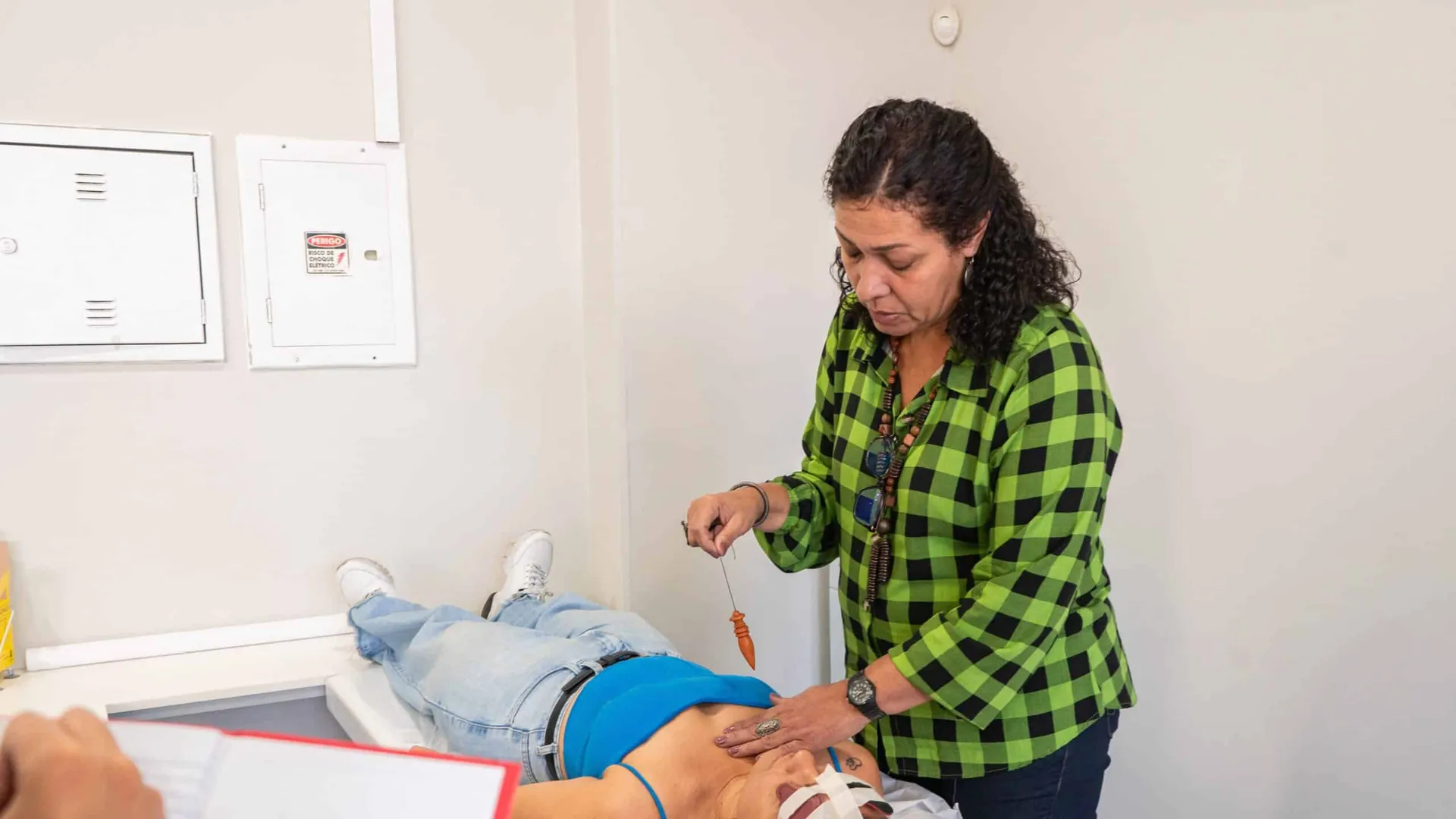
Thus, integrative practices offer broad health care for people, paying attention to different aspects, whether physical, emotional, or psychological, which allows for treatment and prevention that are more attentive to the specifics of each case.
Among the practices adopted by the program and described in PNPIC ordinances are: ayurveda, chiropractic, acupuncture, herbal medicine, integrative community therapy, aromatherapy, and flower therapy, treatments and therapies recognized and applied by health professionals from different fields.
In addition to the practices mentioned, Ozone Therapy is included, recognized by the Federal Council of Dentistry (CFO) through Resolution 166/2015 as a procedure permitted to dental professionals who have completed an Ozone Therapy course that trains dental surgeons, at a higher education institution duly recognized by the CFO and registered with Brazil's MEC (Ministry of Education).
The CFO Resolution establishes the following duties for dental surgeons trained in Ozone Therapy applied to Dentistry:
“I. perform anamnesis, assess oral health conditions and their systemic relationships, and formulate specific clinical protocols for each patient;
II. diagnose and plan the appropriate therapy in an interdisciplinary manner;
III. use Ozone Therapy, through dental treatment, in the stomatognathic system; and,
IV. it is the responsibility of the dental surgeon who uses Ozone Therapy applied to Dentistry to be able to operate the ozone-producing equipment.”
Integrative Practices Through Ozone Therapy in OFH
Dr. Cynthia Heckert Brito, a faculty member who teaches Ozone Therapy and Neural Therapy modules in the Orofacial and Surgical Harmonization specialization, explains the purposes of applying ozone in dental procedures:
“It serves to clean the airways and reduce the patient's inflammation, and that creates greater comfort after the procedure, a safety for both the patient and the professional who is working.”
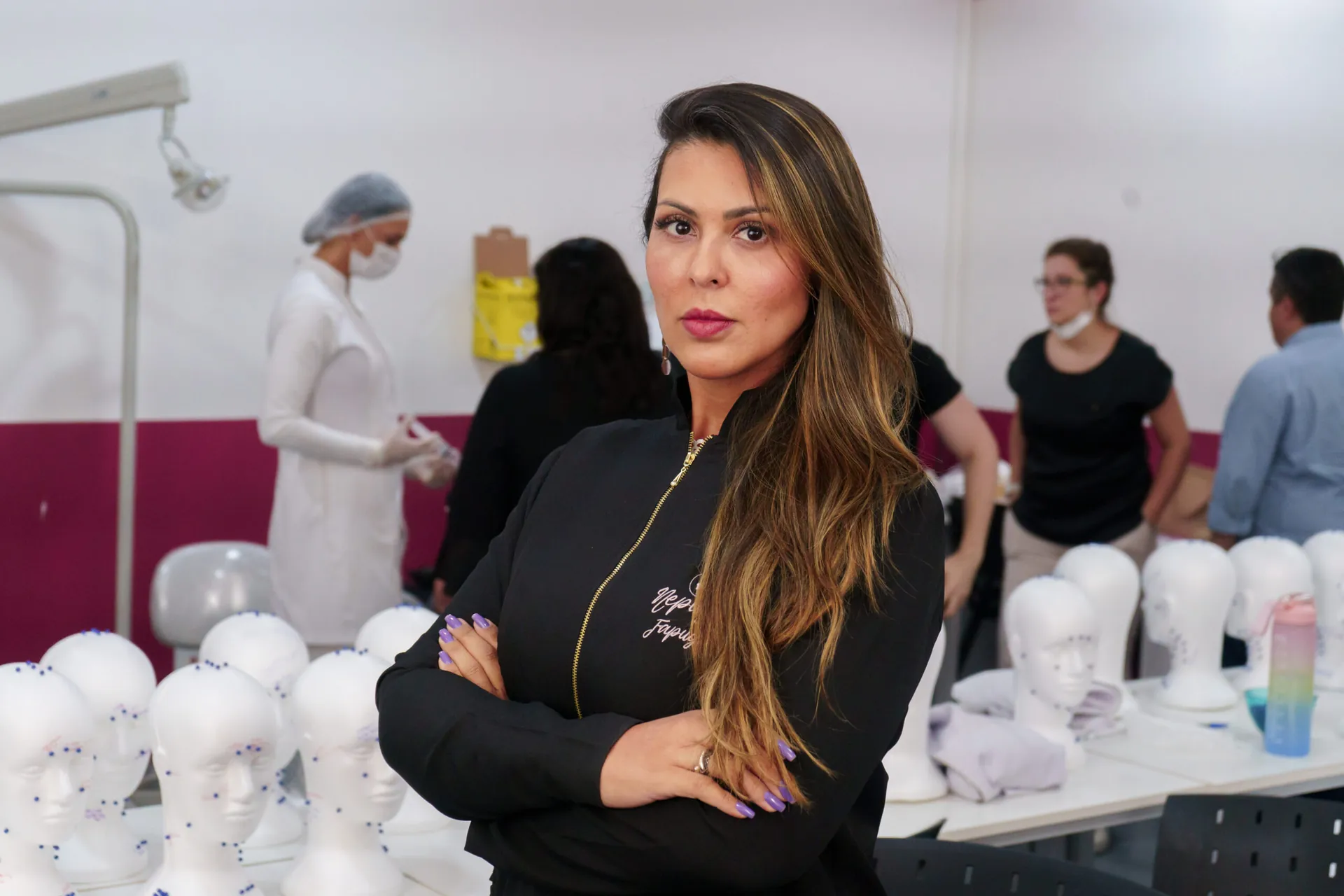
Having worked for years with the OFH specialization, she notes that postgraduate students often focus more on learning the procedures and techniques of Orofacial Harmonization, which is why she stresses the importance of being prepared to think about preventive management and possible complications, something Ozone Therapy makes possible. She adds:
“Our first concern is the patient, it's managing complications, it's prevention, so that we can then teach the techniques properly.”
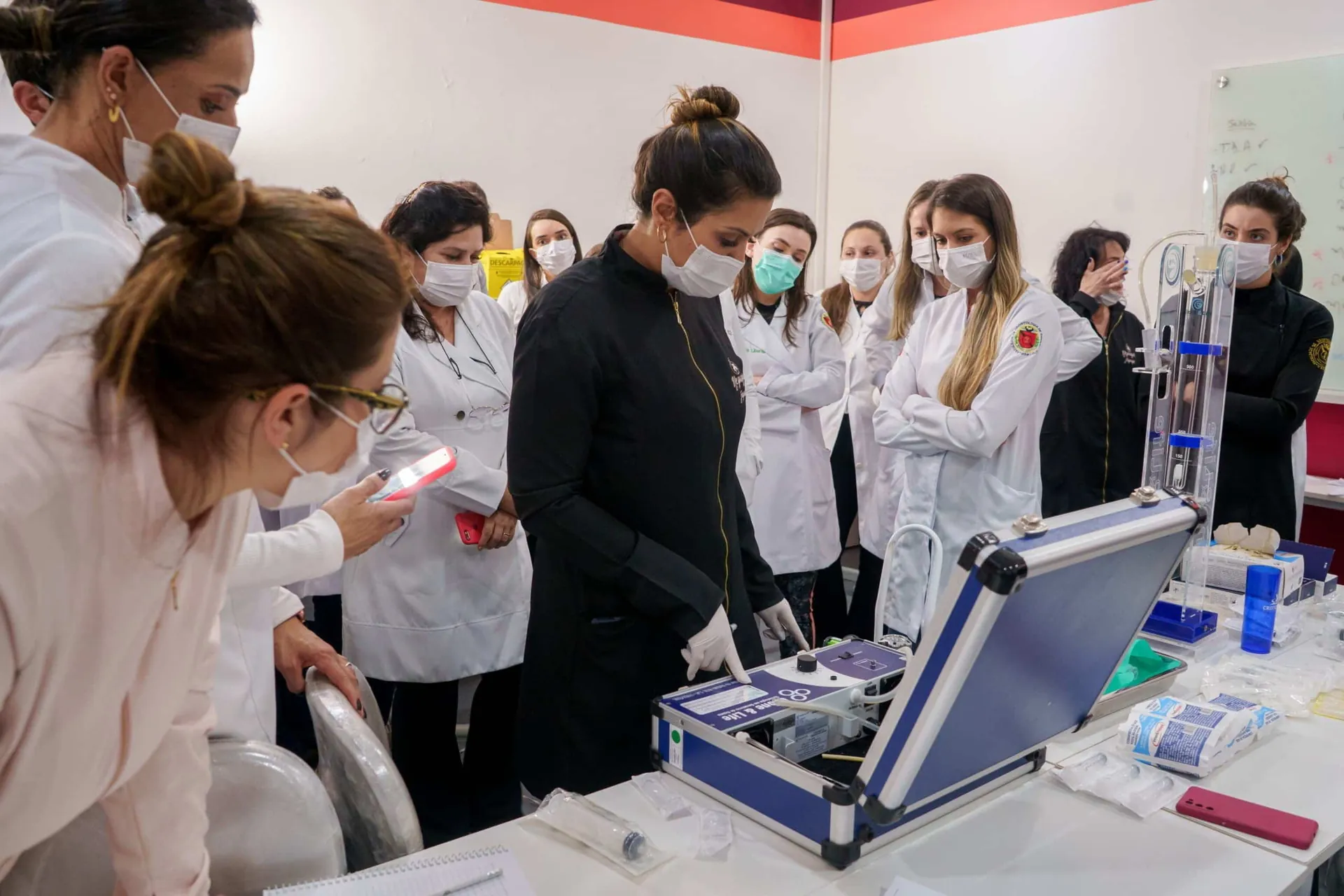
In the specialization where she teaches, Ozone Therapy applied to Dentistry is covered right in the first clinical immersion. Interviewed during that first hands-on session, Dr. Cynthia comments:
“So, here in the hands-on class, we taught the students how to apply it to certain ganglia, for certain procedures, aiming at better deep drainage of the face. That way, post-operative swelling is much smaller than when we don't use this kind of therapy.”
OFH and integrative practices in the faculty member's career
Dr. Cynthia also recalls how the OFH specialization and the adoption of Integrative Practices represented two big leaps in her career.
Today she is a specialist in Implantology, Periodontics, and Forensic Dentistry, and she says her first contact with extra-oral injectables did not give her the confidence she needed to work fully with Orofacial Harmonization. It was in an advanced course that she gained the confidence she needed, along with the desire to seek out more courses in the field and specialize more and more.
That is why she highlights deepening her OFH training as one of the big leaps in her career, and points to adopting integrative practices in her clinical care as a second big leap:
“With Ozone Therapy and neural therapy, I achieved better patient management and better control of the pre- and post-operative periods, and that greatly raised the quality of my care, both in dentistry and in facial harmonization.”
Watch the full interview with Dr. Cynthia:
Laís Bianquini
NEPUGA content team — Núcleo de Especializações Ana Carolina Puga.