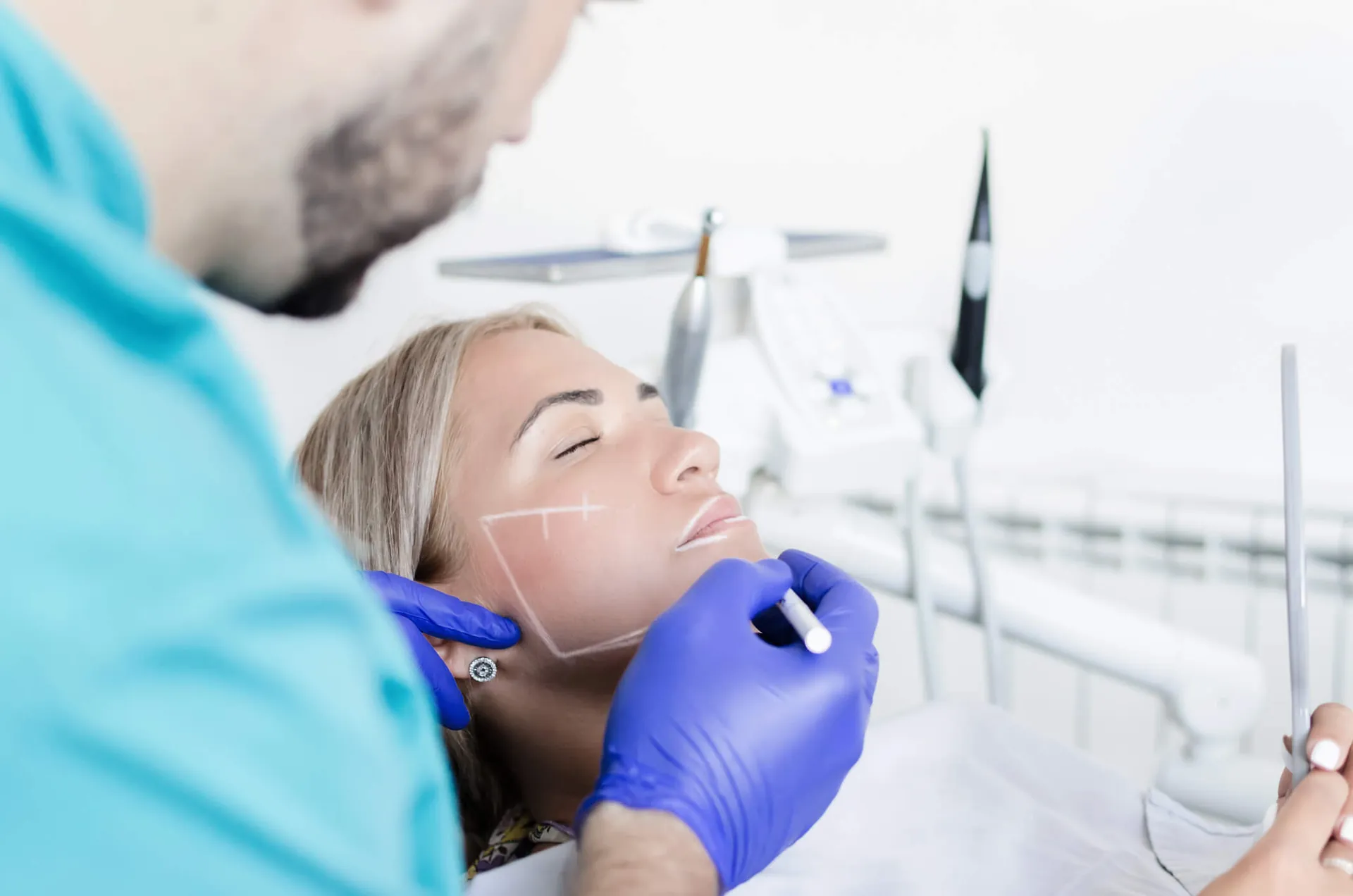
The U.S. journal Plastic and Reconstructive Surgery published a report indicating that the number of noninvasive aesthetic procedures has grown significantly in Latin America. This includes those known as facial harmonization.
What seems to be common knowledge hides a fact that not every consumer-patient knows: these procedures do not have to be performed only by plastic surgeons or dermatologists; they can also be performed by dentists.
There is one rule: they must be specialized in these practices. For those on the other side, the dentists, this opens up an incredible possibility that goes beyond traditional dentistry: orofacial aesthetics, which includes noninvasive aesthetic procedures.
The Brazilian Society of Dentistry and Aesthetics says the sector has grown 300% with the new treatments and procedures in this area. This adds to the fact that Brazil has 20% of all the dentists in the world, only now with the differentiator of facial procedures.
Noninvasive aesthetic procedures
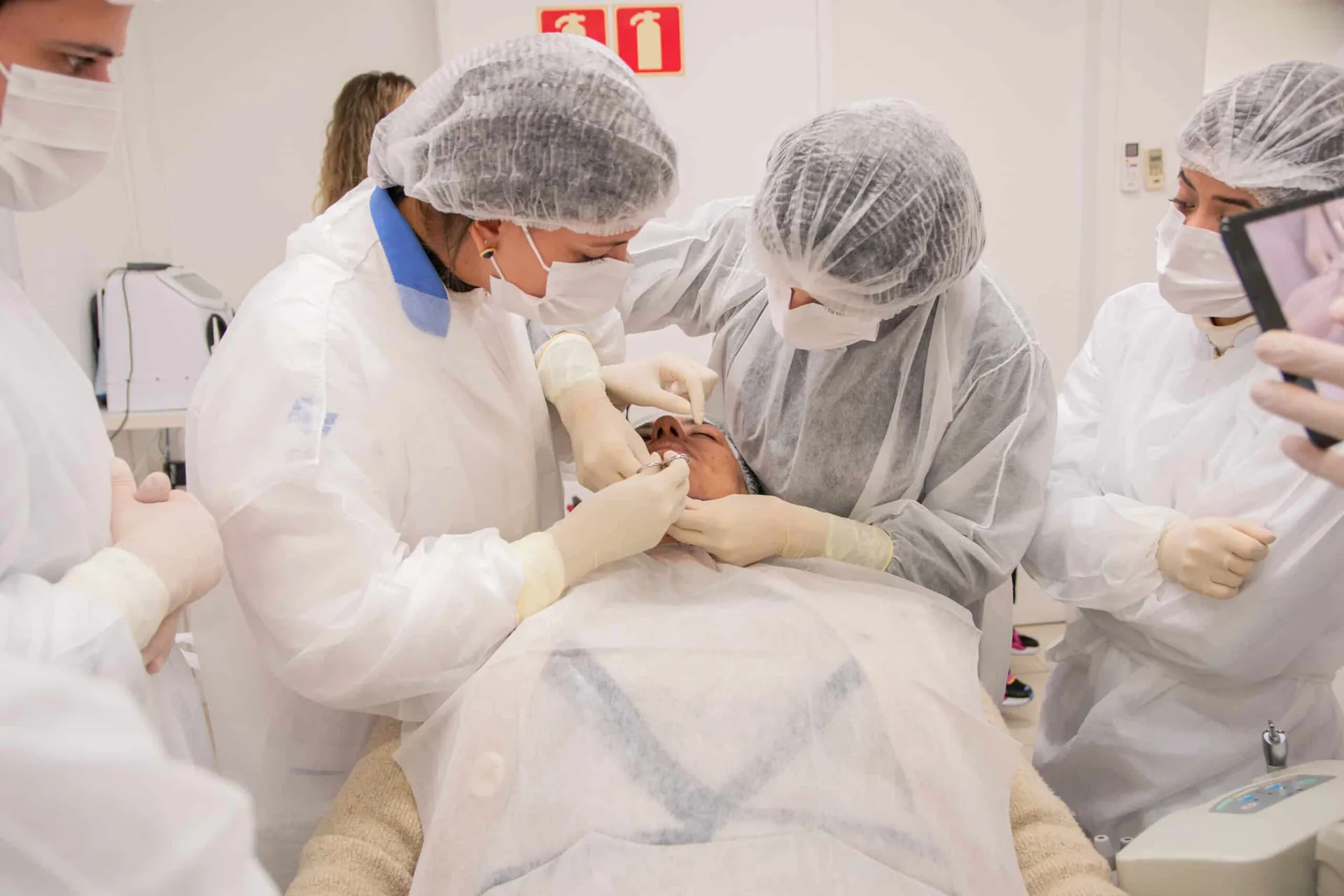
Specialized dentists can perform a range of procedures, such as teeth whitening, dental veneers, contact lens veneers, dental braces, implants, and gum plastic surgery. In addition to facial harmonization procedures such as buccal fat removal (bichectomy).
It is also worth mentioning two patient favorites: Botox and hyaluronic acid. Both can be applied by a qualified professional, and they have therapeutic uses and can be used to treat conditions such as bruxism.
What is important to know is that the goal of aesthetic dentistry is very close to (or rather, complementary to) that of traditional dentistry: allowing changes and corrections of imperfections that bother the patients seeking treatment.
Several studies that take people's opinions into account have shown that natural smiles are what patients are demanding this year. So much so that Brazil is the second country in the world that invests the most in dental aesthetics, behind only the United States. And that helps explain the importance of the topic of noninvasive aesthetic procedures.
With that in mind, consider a University of São Paulo study that found that dental veneers, a new technology, make it possible to cover the facial surface of the teeth. They therefore serve to repair tooth structures and are indicated for various purposes.
Who can specialize in noninvasive aesthetic procedures?
Many health professionals can earn this specialization title. Including dentists. To do so, you need a postgraduate program, such as the OFH course (Orofacial Harmonization). But before starting your studies, the question comes up: is it worth it?
There are several reasons to think about it and consider a positive answer. For example, the fact that it is one of the most profitable specializations in dentistry. It also allows flexible work hours and a much less intense routine.
Orofacial and Surgical HarmonizationIrving Malaguti
NEPUGA content team — Núcleo de Especializações Ana Carolina Puga.