Developing social, professional, and emotional skills is fundamental to the growth of every human being. Being in touch with activities aimed at individual development promotes a better understanding of the environment we are part of and contributes to more harmonious and productive relationships.
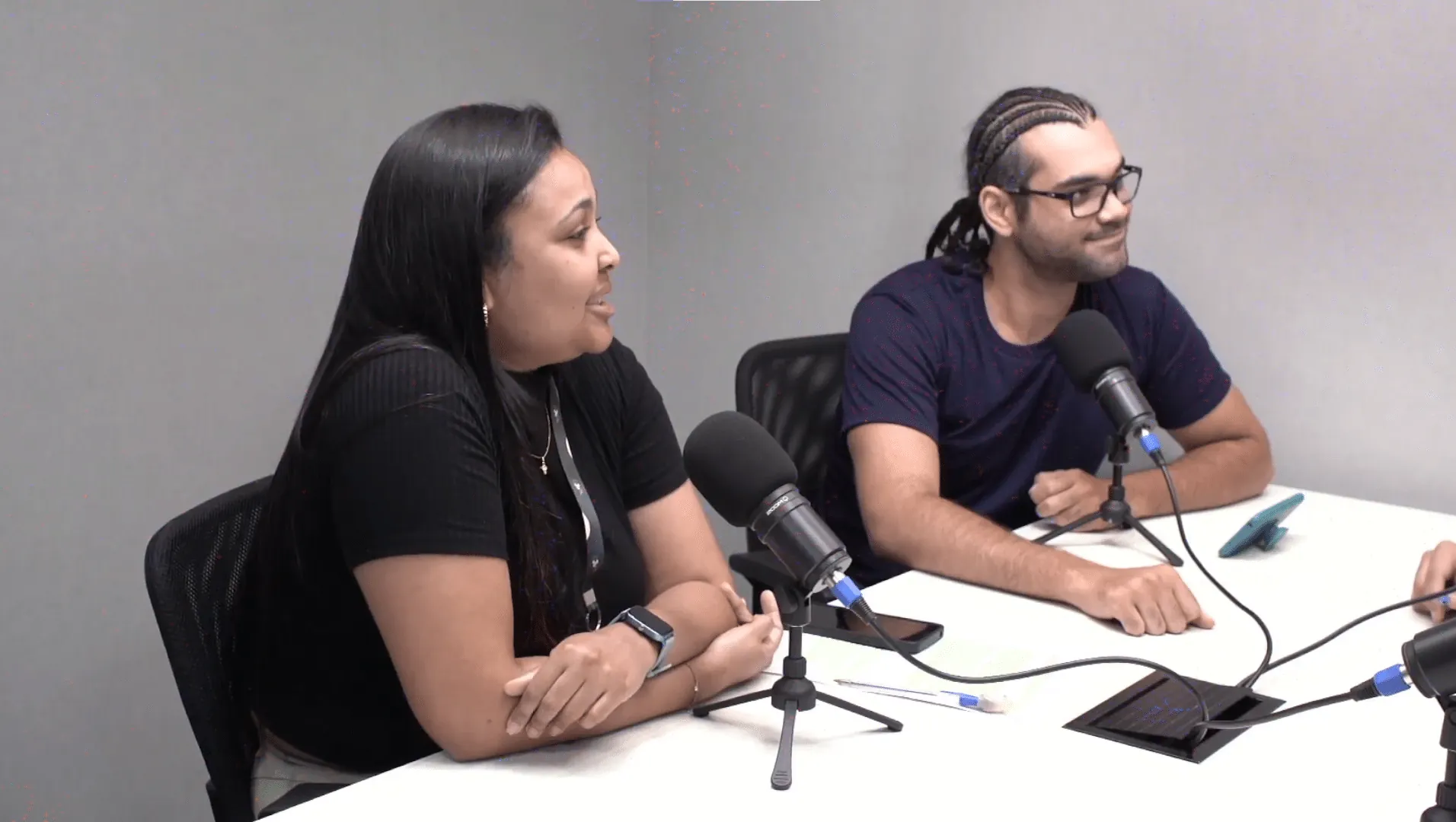
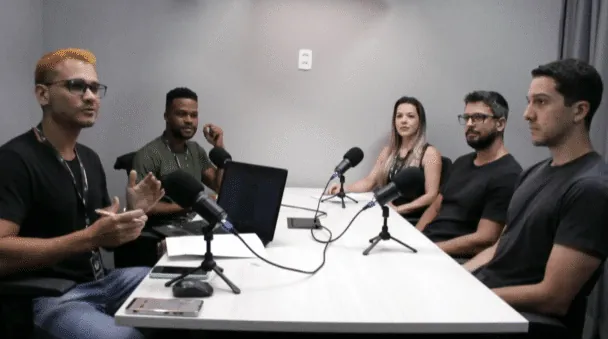
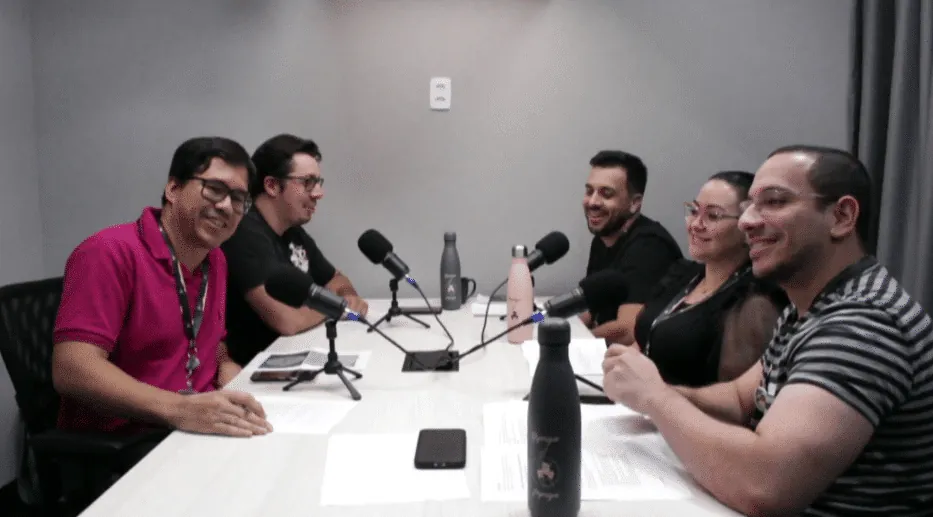
The purpose of this project was to integrate departments and bring professionals together so that collective knowledge would be strengthened and strategies, reflections, and improvements would be created, both in personal life and in the corporate environment. In an internal initiative, Nepuga employees develop podcasts, improve their skills, and discover new tools that can be used in carrying out their daily activities.
This initial activity was evaluated by the institution's managers, from the creative process through the presentation of the episode. This project is part of the initiatives created by Nepuga to expand skills and develop employees professionally.
Creating connections
According to Paula Teodoro, from Nepuga's Human Resources, the project values employees' ability to build a positive relationship with their work and colleagues, positively influencing the environment they are part of.
“The Soft Skill Project aims to develop employees' behavioral skills, providing them with the inputs and knowledge they need to perform their roles efficiently,“ she said.
Let's talk about productivity? Nepuga employees develop podcasts
For the kickoff, the first group chose PRODUCTIVITY as its theme.
The group presented some points about the need to maintain productivity, which factors end up making us lose focus on certain activities, ways to work on productivity individually, among other aspects.
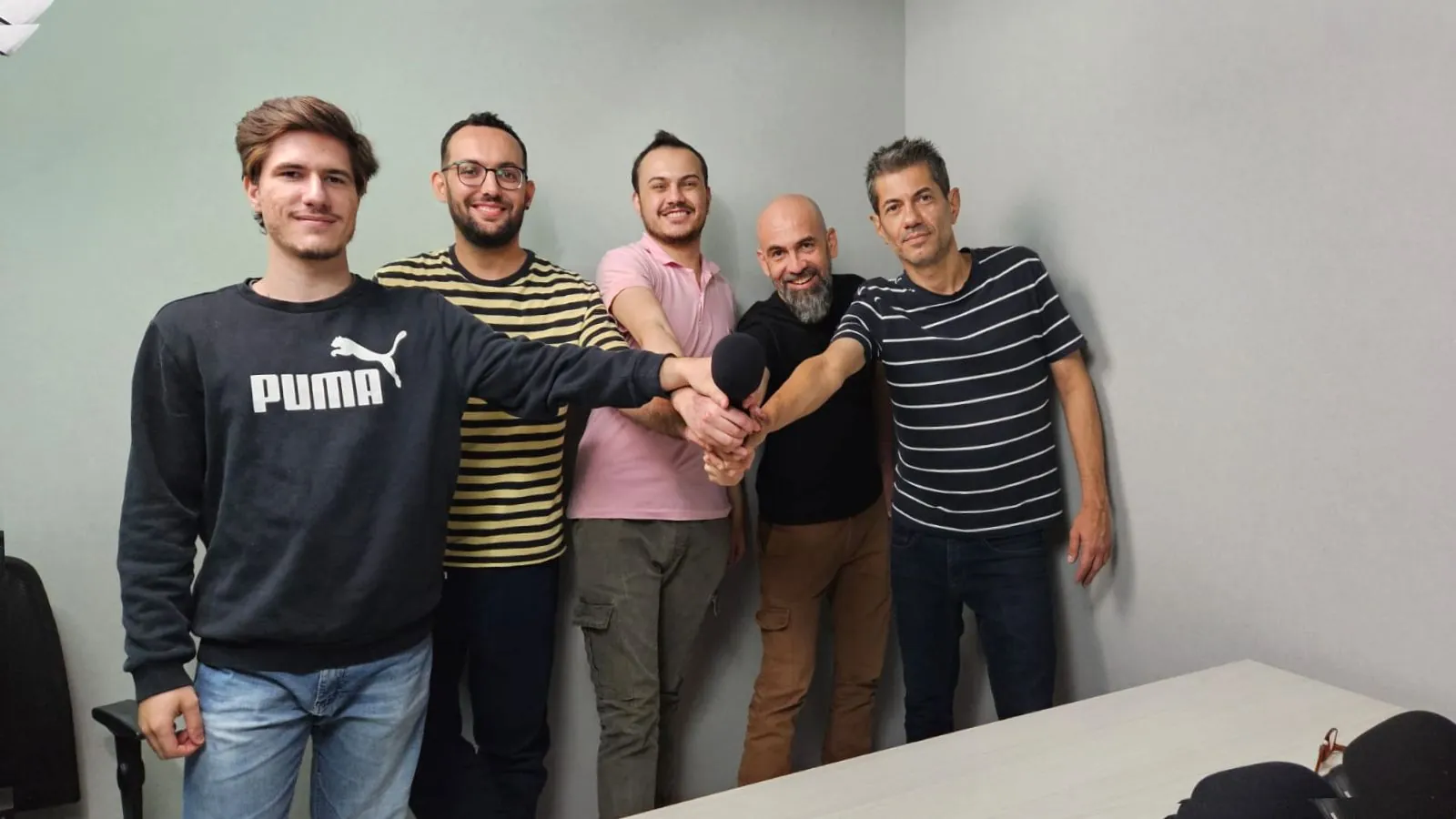
The group was made up of Weber Sian and Guilherme Arantes, from the Marketing department, Jonas Castro and Emerson Freitas, from the Clinics department, and Fabrício Rodrigues, from the Academic Office.
The members started the conversation with an analysis of how easy it is to get distracted from the task at hand by simple stimuli like a cell phone, a message, or a video, raising the question of how technology, when misused, can directly interfere with productivity.
On the other hand, photographer Weber Sian points out how technology can also be an advantage for completing activities. “Here at the company we use Trello, for example, which is an amazing tool where we can set tasks and sort them by priority, time, and delivery date.”
In this sense, the group reflects on the point at which technology is an important tool and where it becomes an obstacle to meeting deadlines.
Employee Guilherme also offers an interesting analysis of how loss of focus has intensified with technological evolution. “In the past we had one-hour videos and today we see a lot of content for shorts (YouTube), reels (Instagram), TikTok (content characterized as short, a few seconds long). Who nowadays ends up following very long productions? Almost no one.”
During the podcast presentation, other employees took part with comments and questions in the video chat. This interaction helped create an environment for sharing ideas and generating discussions about the topic at hand.
Other points were raised for debate regarding productivity. Can the work environment interfere with an employee's focus? According to the group, a lot of interference, such as noise, disorganization, and conversations unrelated to work, are factors that contribute to loss of productivity.
The group also presented tools, means, or strategies to work on productivity and manage to keep your train of thought without losing focus. One of these strategies was the so-called Pomodoro. The Pomodoro concept is that a person who is going to study or carry out a task spends exactly 25 minutes on it. Whether or not it is finished, they must stop and rest for 5 minutes.
Another point was to divide your tasks, creating priorities for them among important, urgent, and circumstantial. Important ones are those tied to the most significant activities, such as dreams and desires. Urgent ones are the demands that come out of nowhere, the ones you do not expect to happen. Circumstantial ones, in turn, are unnecessary activities, such as chatting, commotion, and loss of focus, which add no value, either personal or professional.
The first group also ran an activity based on time. The idea was to close your eyes and count to 60 (1 minute) and, when finished, look to the side and see how your colleagues were doing. This activity was based on showing that each person has their own time for reasoning and production. With that, it becomes clear that everyone has their own productivity time and that it is necessary to understand your limits.
“Together we can overcome challenges”
Jonas Castro shared what it was like to take part in the first podcast and to carry out an activity that involved a diversity of thinking.
“Creating our podcast on personal productivity was an incredible journey! We started full of enthusiasm, sharing our ideas on a fundamental topic. From the first meetings, where we defined what we wanted to do, to the recording, each stage was an opportunity to learn and grow. I remember the lively discussions about the topics and how we wanted to do something unique. Recording the podcast was an adventure, with each of us contributing our ideas and knowledge. This experience showed that when we work together, we can overcome challenges and reach our goals. It was a journey of learning and growth, both personal and professional. I am grateful for this opportunity and for being part of such a dedicated team. Thank you to everyone who joined us on this incredible journey, and to Nepuga for giving us this enriching experience,” he said.
OrganizationalRafael Alves
NEPUGA content team — Núcleo de Especializações Ana Carolina Puga.