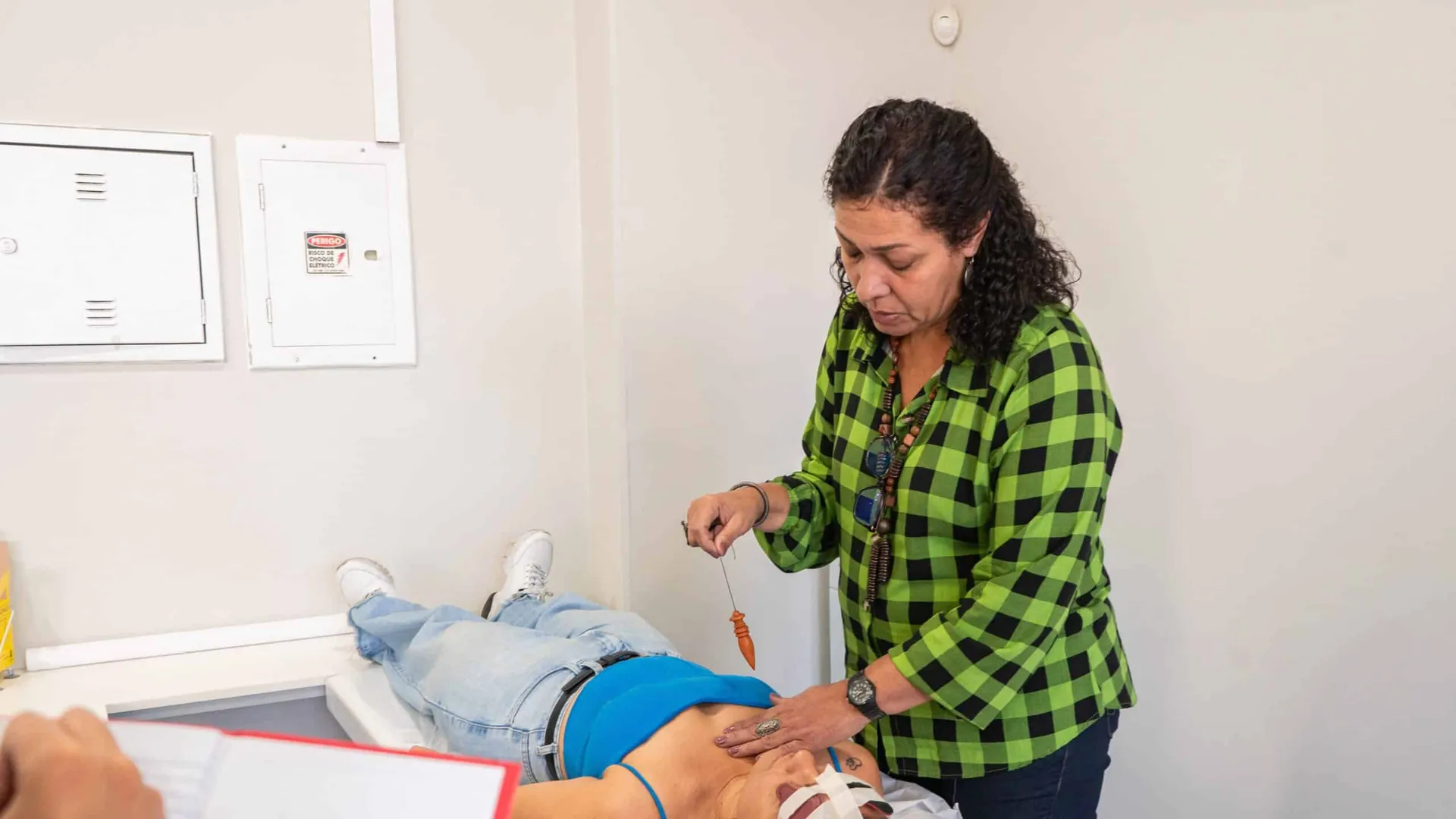
Good news: Bill No. 1438 of 2022 – the Ozone Therapy Bill – has come to give even more support to this complementary practice, which is already part of the reality of many aesthetic and integrative health professionals and patients.
UPDATE: On August 4, 2023, the bill was signed into law, and now Law No. 14,648 is a reality – so far, in force with the same text as the bill that originated it.
Since 2018, Ozone Therapy has been part of Brazil’s National Policy on Integrative and Complementary Practices (PNPIC), and the professional councils of several health fields already have resolutions and opinions that support its use.
The Ozone Therapy Bill has already been approved in the Senate by the Social Affairs Committee (CAS). At the time of this publication, the text is moving on to approval by the Plenary.
Also read: THE BENEFITS OF OZONE THERAPY – AN INTEGRATIVE, COMPLEMENTARY AND PERMITTED PRACTICE
But What Changes With the Ozone Therapy Bill?
In full, the text of the Bill establishes that:
“THE NATIONAL CONGRESS decrees:
Art. 1 The performance of ozone therapy is authorized as a complementary procedure, subject to the following conditions:
I – ozone therapy may only be performed by a university-level health professional registered with their professional oversight council;
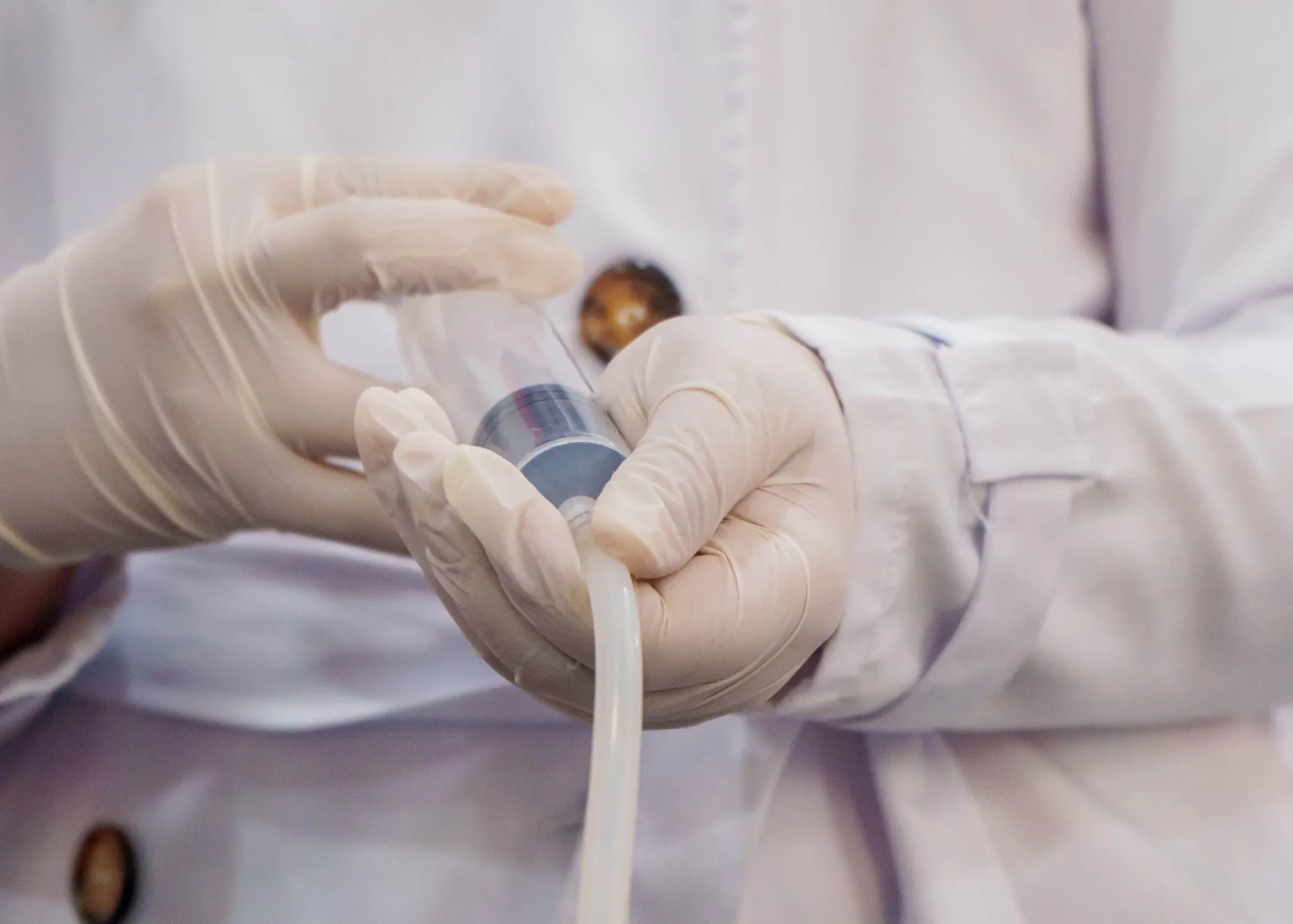
II – ozone therapy may only be applied using medical ozone production equipment duly regulated by the National Health Surveillance Agency
(Anvisa) or the agency that replaces it;
III – the professional responsible for applying ozone therapy must inform the patient that the procedure is complementary in nature.”
This restricts the practice of Ozone Therapy to health professionals who are duly registered with their respective professional council (Brazilian professional council), something that was already recommended in the various resolutions and opinions of the Federal Councils of Nursing, Pharmacy, Dentistry, Biomedicine, Physiotherapy and Occupational Therapy (COFFITO) and Biology.
All of these provisions from each profession’s council establish in detail what the specific training must be for professionals who want to be qualified to work with Ozone Therapy, including curriculum components as well as the number of practical hours required.
And something that may change the approach of professionals working in ozone therapy is the provision in the third item, which makes it mandatory to state clearly to the patient that ozone therapy is complementary in nature.
Check Out All Resolutions and Opinions by Professional Field
- Resolution No. 685/2020, from the Federal Council of Pharmacy (CFF);
- Normative Opinion No. 001/2020, from the Federal Council of Nursing (COFEN);
- Resolution No. 614/2021, from the Federal Council of Biology (CFBio);
- Resolution No. 166/2015, from the Federal Council of Dentistry (CFO);
- Resolution No. 321/2020, from the Federal Council of Biomedicine (CFBM);
- Ruling No. 561/2022, which addresses Resolution No. 380/2010, both from the Federal Council of Physiotherapy and Occupational Therapy (COFFITO).
One More Step Toward Spreading the Practice
If approved at every stage, the Ozone Therapy Bill can bring important benefits to the spread of the practice, with ever more support, both legal and in the experience of health professionals.
Ozone Therapy uses medical ozone to cause controlled oxidative stress, providing a recognized complementary treatment against pain, infections and burns, as well as helping with tissue asepsis in aesthetic practices.
Text updated on August 7, 2023.
News|Aesthetic HealthLaís Bianquini
NEPUGA content team — Núcleo de Especializações Ana Carolina Puga.